


Harvey Nichols’ descent from Ab Fab to drab
Harvey Nichols’ descent from Ab Fab to drab

Ben MarlowSat, July 25, 2026 at 11:00 AM UTC
0
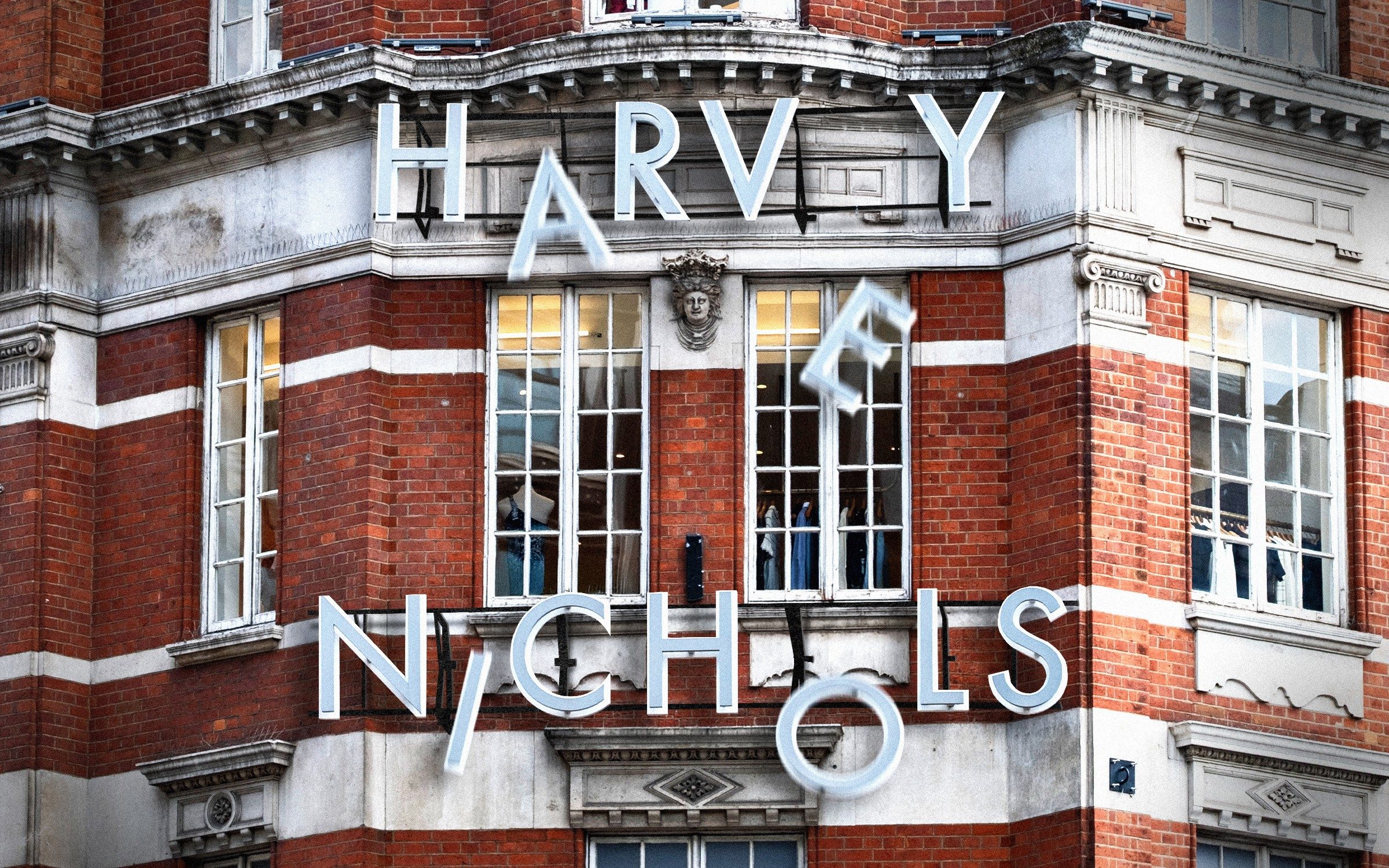
Telegraph illustration
On a warm weekday afternoon at the start of the school holidays, Harvey Nichols’ flagship Knightsbridge store ought to be bustling. Instead, it is eerily subdued.
Across six floors of designer fashion, luxury beauty and homeware, staff appear to outnumber customers.
Sales assistants idle behind tills, scroll on laptops or absent-mindedly straighten rails of clothing that few people seem interested in browsing. On some floors, entire concessions sit empty.
For almost two centuries, Harvey Nichols was regarded as a pioneer of high-end retail, its colossal flagship store acting as a giant beacon for the world’s wealthiest shoppers and a string of well-known faces including Diana, Princess of Wales.
In the 1990s, it was immortalised in popular culture through the BBC sitcom Absolutely Fabulous, or “Ab Fab” to its legions of fans.
“Darling, they’re gorgeous. Where did you get them, sweetie? Was it Harvey Nichols, darling?” Jennifer Saunders’ character Edina Monsoon regularly enquired.

Joanna Lumley and Jennifer Saunders starred in Absolutely Fabulous as Patsy Stone and Edina Monsoon - Jack Barnes/BBC
But the fabled department store is anything but fabulous these days after Sir Dickson Poon, its billionaire owner, was forced to put the chain on the block following years of steep losses and mounting debts.
The official line from Harvey Nichols is that it is making “strong progress”. There are “positive early signs of growth”, it added when news of the sale first broke, while dismissing what it called “market speculation” about a change of ownership.
The “business as usual” message doesn’t stand up to scrutiny, however. Harvey Nichols has failed to post a profit since 2019 and has been heavily reliant on repeated cash injections from Sir Dickson, who has owned the business for 35 years. He has provided £138.5m of funding over the last five financial years – almost enough to cover £142m of losses.
The company was recently hit with a winding-up petition from the billionaire Rubin family, which controls the sports clothing giant Pentland Group, over an unpaid debt. Harvey Nichols says the bill has since been settled but the episode suggests its financial struggles have become more acute.
Meanwhile, its latest set of accounts are nearly four months overdue at Companies House, with no word as to when they are likely to materialise or the reason for their delay.
Harvey Nichols’ struggles come against the backdrop of a tough market for high-end retailers. The pandemic was a hammer blow to a business heavily-reliant on wealthy foreign tourists, forcing its stores to close for eight months, as was the end of tax-free shopping for overseas customers following Brexit.

For almost two centuries, Harvey Nichols was regarded as a pioneer of high-end retail - John Cogill
Its competitors have also struggled. Harrods recorded a £34m loss last year, though this was largely driven by a £60m provision set aside to compensate victims of alleged abuse by former owner Mohamed Al Fayed, who died in 2023. Selfridges suffered a £130m drop in sales in its most recent year.
But with a turnover of around £200m, Harvey Nichols is a minnow in comparison to its larger rivals, which both pull in revenues of more than £1bn.
“I fail to see how it can survive as a standalone business,” says one turnaround expert. “It needs to be part of a bigger operation.”
Jonathan de Mello, an independent retail analyst, points to the department store’s neglected online offering as another weakness.
“Historically, Harvey Nichols has treated digital as very much a secondary concern, failing to invest unlike many of its peers,” he says. “This has resulted in a poor experience for shoppers with some turning their backs on the brand as a result.”
Richard Hyman, a retail consultant, argues that it also failed to capitalise on the “incredible opportunity” that the publicity from Absolutely Fabulous generated.
Advertisement
“It didn’t invest in building a proprietary brand range beyond simply the name itself and the company just enjoyed the glamour and sales that followed,” he says, adding that the result was “long term, gradual decline”.
Bidders have been told that the department store needs between £50m and £60m to fund investment, including a full refurbishment of its Edinburgh outpost – one of several regional stores it has opened since the 1990s – though one doubted there would be many willing to put up such a large sum of money.
The appointment of restructuring experts at FTI Consulting to lead the scramble for new backers and the gaggle of suitors that has subsequently formed suggest Harvey Nichols will do well to survive in its current form.

Rihanna attends the Fenty Beauty x Harvey Nichols launch in 2017. The department store has more recently been struggling - Dave Benett/Getty Images for Kendo
Among those circling are high street ghouls Modella Capital, the investment firm that has presided over the collapse of several struggling chains in quick succession, including Claire’s.
It has also just won permission from the High Court to close scores of former WH Smith shops against the wishes of many landlords and impose steep rent cuts at even more.
Meanwhile, the admission of Mike Ashley into the sale process has alarmed some suppliers who fear the tracksuit tycoon would seek to take Harvey Nicols downmarket.
The Sports Direct tycoon is also not afraid to adopt aggressive insolvency tactics that allow him to acquire assets on the cheap by jettisoning debts and store leases.
The same goes for Next, which has thrown its hat into the ring. Russell & Bromley, Cath Kidston, Joules and Made.com have all been bought out of administration by the high street stalwart in recent years.
One prospective investor says it was told that a pre-pack administration – where a troubled company declares insolvency so it can be bought by new owners free of existing financial liabilities – may be required to ensure Harvey Nichols survives, though the company strongly refutes the claims.
“We categorically deny any suggestion that the business is pursuing, or preparing for, a pre-pack administration,” a spokesman said.
Salvation may instead rest in the arms of an international buyer looking for a trophy asset. Reported interest from Qatar has stoked speculation that the Gulf state’s deep-pocketed sovereign wealth fund, which has owned Harrods since 2010, could be looking to add to its interests in luxury retail.
Yet back in Knightsbridge, reasons for optimism feel desperately thin on the ground.
Rather than feeling like one of Britain’s most famous department stores, the ground floor of Harvey Nichols resembles an upmarket airport duty-free with endless perfume, skincare and make-up counters.
The busiest parts of the building are not the designer departments but the beauty stations, where a handful of customers are having eyebrows threaded and lips waxed, and the restaurant on the top floor.
Finding anyone leaving with Harvey Nichols shopping bags proves harder still. After waiting outside for half an hour in the hope of speaking to customers, almost nobody emerges.
“We only popped in to use the toilets,” says one family as they depart.
The contrast with Harvey Nichols’ glamorous image is striking. Once the playground of the fashion elite, today’s store feels curiously ordinary.
Try full access to The Telegraph free today. Unlock their award-winning website and essential news app, plus useful tools and expert guides for your money, health and holidays.
Source: “AOL Money”
