


Hatchet jobs, fights, and one very divisive song: Razorlight’s Johnny Borrell on making indie’s most notorious second album
Hatchet jobs, fights, and one very divisive song: Razorlight’s Johnny Borrell on making indie’s most notorious second album

Roisin O'ConnorSun, July 26, 2026 at 5:00 AM UTC
0
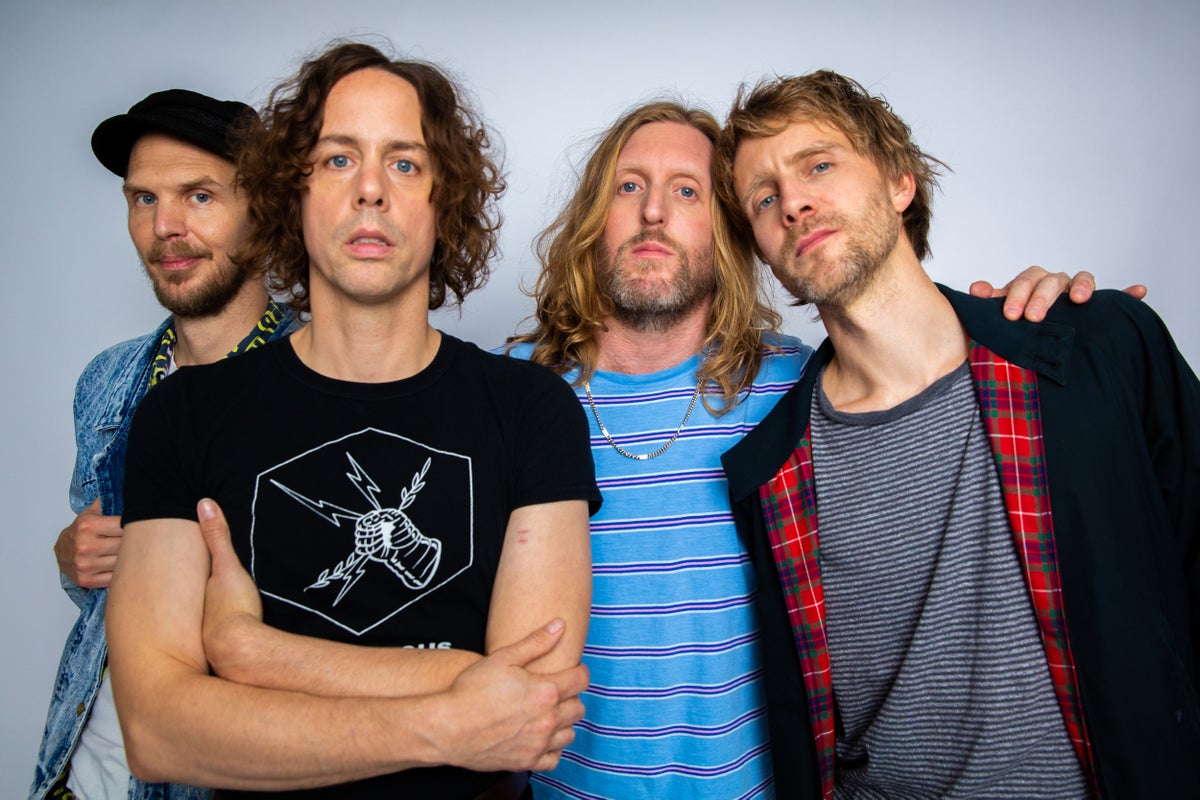
Twenty years ago, one song would become the scapegoat for the implosion of British guitar music, the death knell for a generation’s worth of bands whose sole mission seemed to be to make it into the pages of NME. “I think you can kind of say that in 2006, at the start of this [song], music was in quite an interesting place,” Johnny Borrell said in 2016. “Then three-and-a-half minutes later it’s f***ed.”
The Razorlight frontman was, in fact, talking about his band’s own hit single, “Before I Fall to Pieces”. Featured on their second album, the self-titled Razorlight, the jangling guitar track was branded by Borrell as the catalyst for what we now refer to as “landfill indie”, that heady scene of sticky dancefloors, sweaty side-fringes and jeans so skinny they cut off your circulation. “I think the second Razorlight album definitely opened the way for a flood of mediocrity in UK music,” he declared.
“Landfill indie” was a disdainful term coined in The Word by journalist Andrew Harrison in 2008. But two years earlier, in the summer of 2006, British bands ruled the roost: Arctic Monkeys had already set the world alight with their debut, Whatever People Say I Am, That’s What I’m Not, Muse were about to top the charts again with Black Holes and Revelations, and Coldplay were concluding their huge Twisted Logic Tour off the back of two major Brit awards for their third album, X&Y . Skinny jeans, scarves and slogan T-shirts (all from Topshop) were in, as was smudged eyeliner and the side fringe; Camden boozer the Hawley Arms was the place to be, especially when Amy Winehouse was holding court. The Libertines had split in 2004, but Pete Doherty was still a tabloid fixture thanks to his chaotic personal life. And Razorlight had the biggest album of their career, thanks in part to hit singles like “In the Morning”, “America” and, yes, “Before I Fall to Pieces”.
Borrell is revisiting the album as it celebrates its 20th anniversary. Not just the music, but all of it – the mixed reception (NME gave it 8/10 but also nominated it for Worst Album at their awards show the following year), the backlash from fans as Razorlight “went commercial”, and the fist-fights between bandmates as they tussled with their newfound success and which direction they should go next. The frontman, who now lives in France, says it all feels like “300 years ago”. In the past he and the rest of the band have been on the outs – drummer Andy Burrows once claimed that working with Borrell was “hell” – but the four original members are returning to their divisive second album with an anniversary tour, a vinyl reissue of the album and a new documentary.
I ask Borrell what he remembers from that time. “I could not believe what was going on – Dick Cheney, Donald Rumsfeld, George W Bush… the Iraq War, Afghanistan. And I thought, the military industrial machine of the United States, how could it be any worse?” he says. But no one wanted to talk to him about any of that. In Razorlight’s vintage era, his interviews were the stuff of legend: he proclaimed himself a “genius” in his first interview with NME in 2004, while promoting Razorlight’s debut album Up All Night, then threw in the immortal line: “Dylan is making the chips, I’m drinking the champagne.” (He’s previously insisted he was regularly misquoted.)
I wonder if there was any part of him that relished his status as indie’s cockiest frontman. “Back then there wasn’t any social media, so if you wanted to communicate with your fans in any way, there was no other option,” he shrugs, possibly forgetting MySpace. “Had there been socials back then, I definitely would have stopped doing interviews in about 2005, 2006, because at times I was just furious. When people put what you’ve said across in a way that is just not what you’ve said… that was what was infuriating, and it used to happen all the time.”
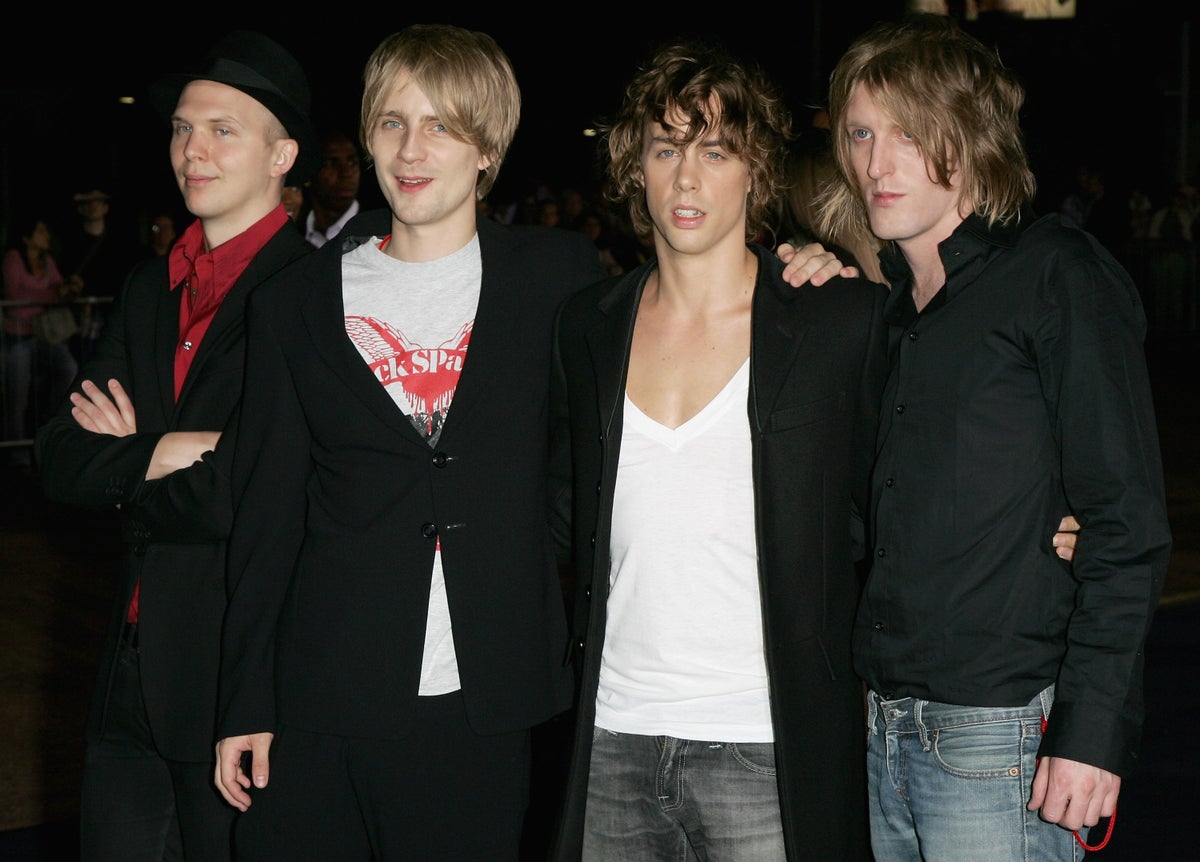
Johnny Borrell (third from left): ‘I think the most confusing place I’ve ever been in my life is the mainstream’ (Getty Images)
It’s no surprise that critics viewed Borrell as an easy target for ridicule, particularly when their second album propelled them from a modest success story – their first album hit No 3 on the charts and spawned a handful of singles, including “Golden Touch” – to a mainstream triumph (so not rock’n’roll). It debuted at No 1 in the UK and also produced their first and only No 1 single, “America”. Critics hated the track: one branded it “soft rock hell” while others criticised what they called “faux-sentiment”, an attempt at serious political commentary from someone they believed had no right to do so. One dissenter was The Independent’s late critic, Andy Gill, who in his five-star review praised the track’s “billowing, Springsteen-esque climax” and the band’s acknowledgement of “a general sense of dissociation from the country’s cultural mores”.
Advertisement
Borrell actually thinks it was more punk rock, in a way, to come out with Razorlight. But fans and the media seemed to take it as him grasping for more album sales, more arena shows. In his review, Gill joked that if all rock musicians had Borrell’s self-belief, “there wouldn’t be any need for publicists… at times, it seemed as if the band were prospering by sheer force of (his) will”. And a friend once said, anonymously to The Independent, that in spite of a culture in the UK where we knock success, “Johnny Borrell has made no bones about wanting to be the biggest and the world. That kind of attitude is not a British thing. And so they knock him for it”.
Twenty years later, Borrell remembers the music press’s reaction to the album being overwhelmingly positive, although one writeup in Rolling Stone stayed in the memory: “A hatchet job… which was a real bitch-slap for us,” he says. At the time, he was more preoccupied by the fame the album brought – by 2007 he was dating movie star Kirsten Dunst and appearing on the cover of British Vogue, shot by Mario Testino. “I think the most confusing place I’ve ever been in my life is the mainstream,” he says. “Because that’s not me… I think there was this idea that Razorlight were the next U2, and I was thinking, ‘No, Razorlight have just made a really interesting record.’ The obvious thing to do after having such huge success with the first album would be what every indie band does: put on the leather jackets and come back with the same album, but slightly worse and slightly darker.”
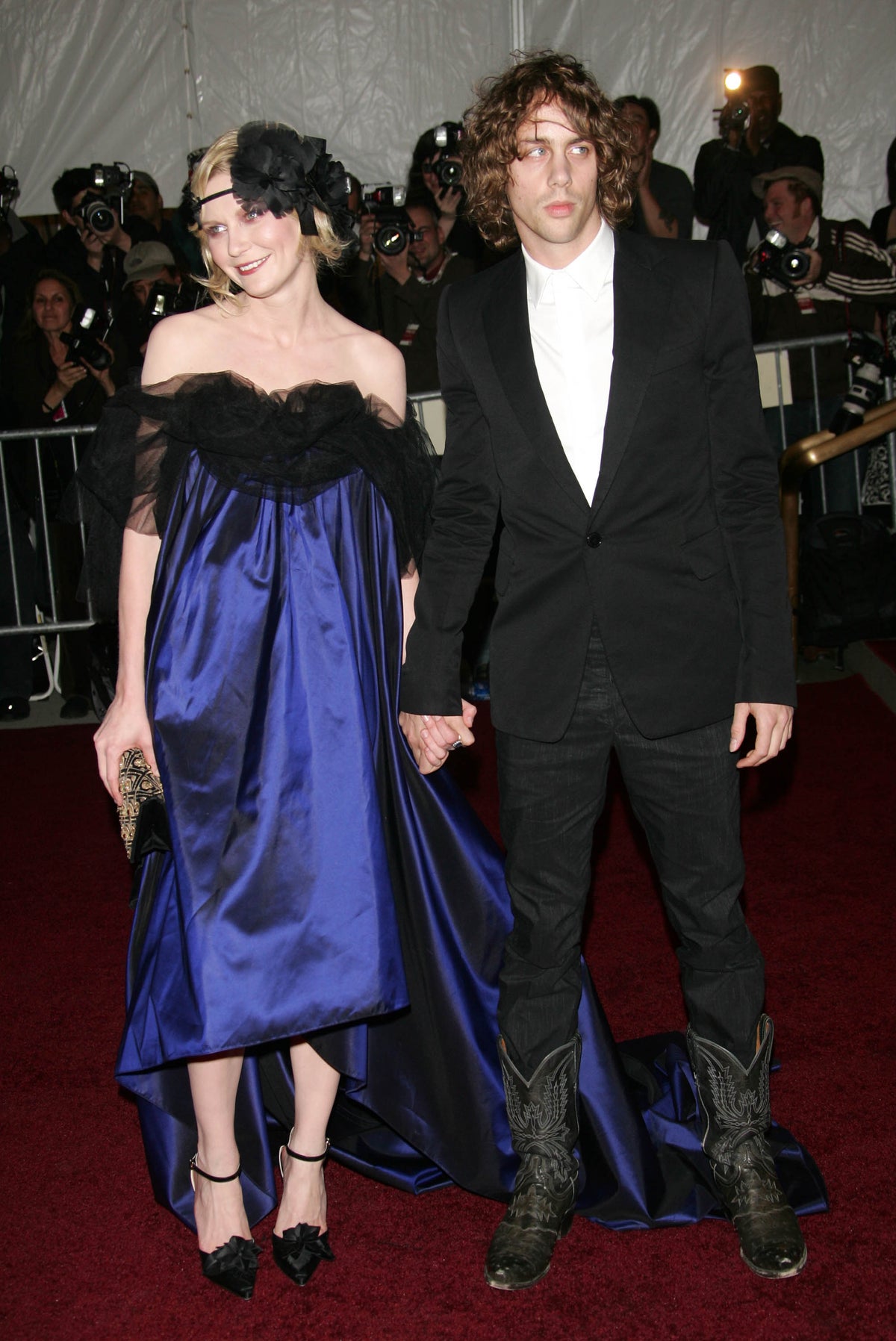
In the spotlight: Borrell with Kirsten Dunst at the 2007 Met Gala in New York City (Getty Images)
Perhaps it’s the French countryside, but Borrell has definitely mellowed. He doesn’t connect with the version of him his friend spoke to The Independent about: someone who was constantly in the firing line for being open about his (often shirtless) ambition. “I think that’s a weird way of looking at it,” he says, “because that implies you want to outdo other people.” Did he not? “No! I think you just want to do the best that you can do. But there is a certain Britishness to pretending you don’t have any ambition.” He and the band were thrilled with the way the record turned out, from perky opener “In the Morning”, clearly inspired by Blondie’s “Rapture”, to the swaggering, Police-esque “Back to the Start”. Many of the songs still stand up today, however critics felt about Borrell’s lyrics at the time. “I Can’t Stop This Feeling I’ve Got” is gorgeous, and full of a sad kind of yearning. “I had this feeling of having done something irreparable in a relationship, and being at that moment of regret,” Borrell says of what inspired it.
I wish they taught diplomacy in schools
Johnny Borrell
Not long after the album’s release, he and drummer Andy Burrows had a bust-up at the Hawley Arms; Burrows quit in 2009, later claiming he and Borrell couldn’t stand one another. “I wish they taught you something useful in schools, I really do,” the frontman says now. “I wish they taught diplomacy, how to listen to other people, how to express yourself. Wouldn’t that be so f***ing useful?”
Particularly for men, he thinks, and especially in the peacocking indie scene, it was near-impossible to admit how you were really feeling. “With the right education, you could sit down and say, ‘You know what, I feel really scared, and really f***ing worried.’ And it’d be like, ‘S***, we’re on the same page, what can we do about this?’ But as blokes in our twenties in the 2000s, we certainly weren’t equipped to communicate with each other in any constructive way.” Instead, he remembers, there was shouting, and sulking, or, if neither of those worked, beating each other up. “All of the worst things. So I think now we’re just a bit better at communicating.”
And they are still going, when so many other of their peers and the bands they inspired faded into obscurity. Meanwhile, Gen-Z have admitted to pining for a time they didn’t get to experience, one before a drunken exploit could make you go viral on TikTok and arguably the last proper “scene” before mass cultural homogenisation ensued. Razorlight provided a national soundtrack for everything from football matches to hit films and TV shows like Gavin and Stacey, The Inbetweeners, and Angus, Thongs and Perfect Snogging. As they celebrate 20 years, could Razorlight be heralding a return to the glory days of guitar bands? Stranger things have happened.
Source: “AOL Entertainment”
