


Louisiana judge temporarily blocks Kalshi, other prediction markets
Louisiana judge temporarily blocks Kalshi, other prediction markets

Nolan Mckendry Sat, November 14, 2026 at 2:00 PM UTC
0
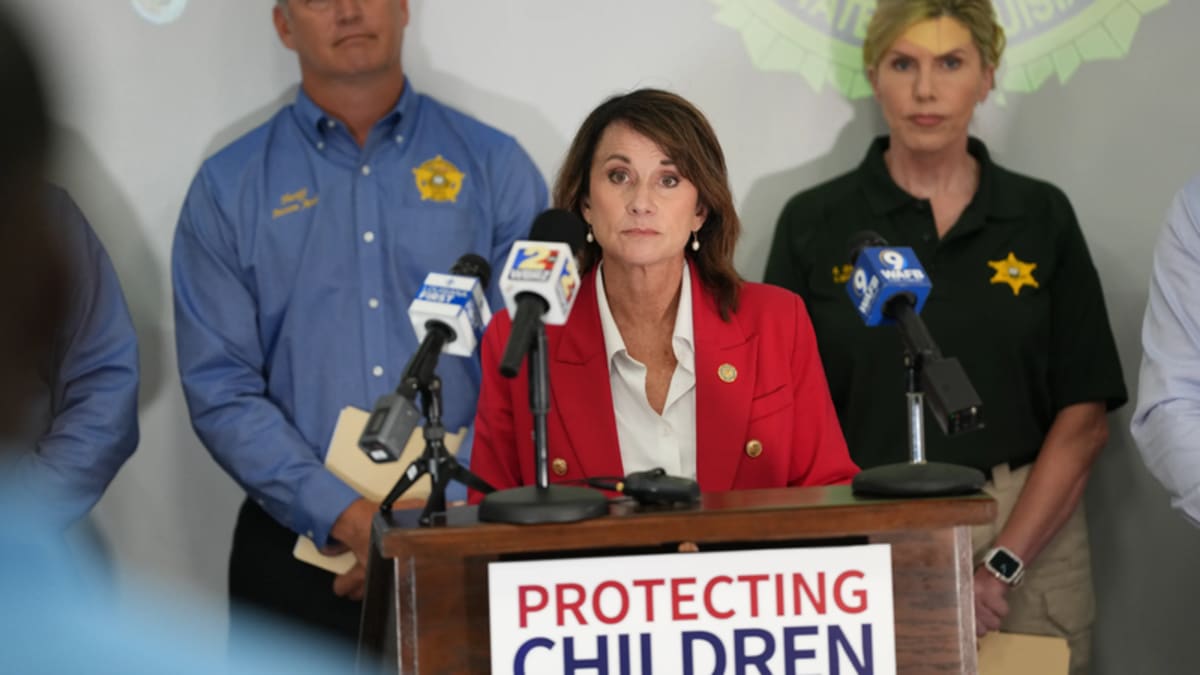
Louisiana Attorney General Liz Murrill fields questions from the media. Photo: Courtesy of the Office of Louisiana Attorney General Liz Murrill / Used with Permission
(The Center Square) — A Louisiana judge has temporarily barred Kalshi, Polymarket and other prediction market operators from offering event contracts in the state, escalating a fight over whether the platforms are federally regulated financial exchanges or illegal gambling operations.
Judge Jeffrey Johnson of the 21st Judicial District Court signed the temporary restraining order Thursday, hours after Attorney General Liz Murrill sued the companies. The order covers contracts tied to sports, elections and awards and requires the operators to block access for people physically located in Louisiana.
The restriction lasts 10 days unless extended. A hearing on the state’s request for a preliminary injunction is scheduled for 9 a.m. Nov. 30. The temporary order does not resolve the underlying dispute over whether federal law prevents Louisiana from applying its gambling laws to the companies.
“It’s not complicated: if you aren’t a licensed gaming operator, you aren’t legal,” Murrill said, according to RG’s report on the order.
The lawsuit also targets companies associated with Robinhood, Coinbase, Crypto.com, ForecastEx, Gemini, Novig, Underdog and ProphetX. Kalshi had already sued Louisiana officials in federal court in October to prevent state enforcement and sought emergency relief Thursday.
Prediction markets allow customers to buy contracts whose payouts depend on whether a specified event occurs. The operators argue those transactions fall under the Commodity Futures Trading Commission’s jurisdiction, while Louisiana contends the products amount to wagers offered without state gambling licenses.
Advertisement
“As we’ve previously shared, Robinhood’s event contracts are federally regulated by the CFTC,” a company spokesperson told The Block, adding that the contracts are offered through its registered derivatives subsidiary. Coinbase likewise argued that Louisiana’s lawsuit represents the fragmented state enforcement Congress intended to prevent by giving the federal commission exclusive jurisdiction.
Louisiana’s challenge extends beyond betting on games. An Oct. 27 filing reviewed by The Center Square shows Kalshi notified federal regulators that it was self-certifying a class of contracts tied specifically to Louisiana election results.
The filing describes contracts paying $1 if a specified candidate or party wins an election and zero otherwise, with the Louisiana secretary of state listed first among the sources used to determine results.
The enforcement action follows months of warnings and a recent expansion of the attorney general’s authority.
In December 2025, the Louisiana Gaming Control Board warned licensed sports wagering businesses that it considered sporting event contracts and certain other event contracts illegal gambling. The board said direct or indirect involvement could affect a company’s suitability to retain a Louisiana license or permit.
Lawmakers strengthened the state’s gambling-by-computer law this year through Act 182, sponsored by Rep. Scott Schlegel. Effective Aug. 1, the law expressly authorizes the attorney general to seek restraining orders and injunctions to prevent the activity. It also increased the maximum fine for offering gambling games by computer from $20,000 to $100,000 and provides that each wager offered or accepted constitutes a separate violation.
Source: “AOL Money”
