


Taylor Farms still most likely source of cyclospora outbreak, FDA says
Taylor Farms still most likely source of cyclospora outbreak, FDA says

C. A. Bridges, Melina Khan and Stephen J. Beard, USA TODAY NETWORK - FloridaTue, July 21, 2026 at 12:56 PM UTC
24
The U.S. Food and Drug Administration has stressed that one false positive in a lettuce sample test does not clear Taylor Farms from a connection to a widespread cyclosporiasis outbreak that has caused explosive diarrhea in thousands of Americans since May.
The FDA announced on July 19 that a lettuce sample from the California-based company that previously tested positive was discovered to be a false positive after laboratory review. Taylor Farms issued a press release saying that the FDA had apologized. "To be clear, at this moment, FDA has not identified a single positive product test result for Cyclospora," the company said.
On July 20, the FDA posted to X: "To clarify, this false-positive lab sample DOES NOT change the basis for FDA’s ongoing outbreak investigation or the overwhelming epidemiological data supporting the current voluntary recall by Taylor Farms."
An investigation into the exact source of the parasitic illness is still ongoing.
Cases of cyclosporiasis have surged in more than 30 states in recent weeks. People who contract the illness usually have "explosive" diarrhea and other severe gastrointestinal issues. Michigan alone has reported more than 6,100 cases and over 100 hospitalizations as of July 20.
There have been 96 cases reported in Florida since May, according to state data, but they have not yet been linked to lettuce supplied by Taylor Farms.
Out of "an abundance of caution," Taylor voluntarily issued an expansive voluntary recall of iceberg lettuce products that had been identified as a potential source of the outbreak on July 17. Some lettuce sold in Taco Bell products in five states — Indiana, Kentucky, Michigan, Ohio and West Virginia — have been connected to the illness, which can cause frequent, watery diarrhea or explosive bowel movements, nausea, cramps, bloating and low-grade fever.
Walmart stores in 27 states, including Florida, have removed bags of Marketside Bagged Iceberg Salad and Shredded Iceberg Salads supplied by Taylor Farms, the company said in a statement to USA TODAY.
Which Taylor Farms lettuce has been recalled? See list of items sold at Walmart
Taylor Farms recalled iceberg lettuce sourced from central Mexico on July 17 because it could be contaminated with cyclospora.
The affected products include lettuce served in food service including at Taco Bell restaurants as well as some bagged lettuce products sold at Walmart under the Marketside brand. The Walmart items are the only affected products that have been sold in retail.
"The health and safety of our customers is a top priority," Walmart said in a statement on July 18.
The affected items include:
According to the FDA, they were sold at Walmart stores in the following states: Alabama, Arkansas, Florida, Georgia, Indiana, Kansas, Kentucky, Louisiana, Missouri, Mississippi, Oklahoma, Tennessee, Texas, Virginia, West Virginia.
The products can be identified by "Best if Used By" dates ranging from July 18 through Aug. 3.
Anyone with the affected products should discard or return them for a refund.
Where else did recalled Taylor Farms lettuce go? See list
Other than the retail products sold at Walmart, the rest of the recalled Taylor Farms lettuce products were sent to a variety of food service distributors, which were listed by initials.
In addition to Taco Bell and Walmart, Sysco confirmed on July 17 that it was among the affected distributors and had removed the lettuce, Reuters reported.
Advertisement
US Foods also confirmed to USA TODAY that its Cross Valley Farms brand is part of the recall. The company said it began notifying customers of the recall on July 17.
USA TODAY has reached out to Taylor Farms and a variety of produce distributors for further information about which brands are involved.
See the full list:
Is there a cyclosporiasis outbreak in Florida?
The true number of sick people in this multistate outbreak is likely higher than the number reported, and the outbreak may not be limited to the states with known illnesses, the CDC said.
The Florida Department of Health has reported 96 cases of cyclosporiasis since May 1, but they have not yet been linked to the current outbreak.
Cyclosporiasis infection is not uncommon in Florida. The state has reported an average of 246 cases of cyclosporiasis every year from 2015 through 2025, with a notable rise in cases in the last few years. There were 210 cases reported last year, and 222 cases in 2024, data shows. Cases surged over 500 in both 2019 and 2022.
What are the symptoms of cyclosporiasis?
Symptoms of cyclosporiasis may vary, according to the CDC, but watery diarrhea is the most common. Others include:
Loss of appetite
Weight loss
Cramping
Bloating
Increased gas
Nausea
Fatigue
Some people may also experience vomiting, body aches, headaches, low-grade fever, and other flu-like symptoms. Others may show no symptoms at all.
Symptoms can begin to show from two days to two weeks or more after infection, the CDC said. Without treatment, symptoms can last anywhere from a few days to a month or longer.
When should you call a doctor about cyclosporiasis symptoms?
Minor cases can usually be treated at home with over-the-counter-medication.
However, you should contact your health provider or seek medical attention if diarrhea is prolonged and accompanied by dizziness, inability to keep fluids down or signs of dehydration.
During the illness, avoid foods such as high-sugar beverages, alcohol and excess caffeine, greasy and spicy foods, and dairy products.
How to avoid cyclospora
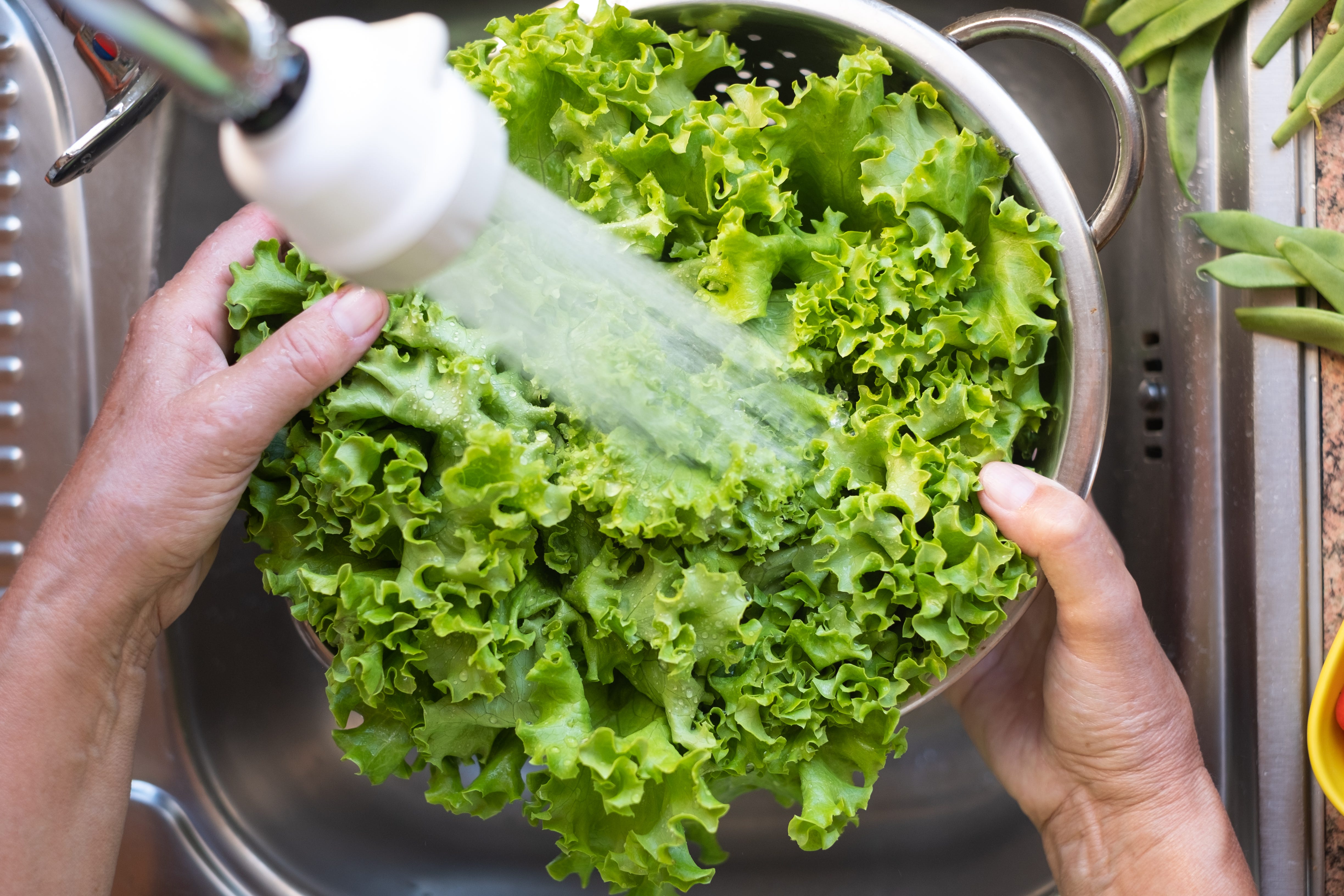
The single best way to avoid the illness is to not eat food connected with it, the CDC said. That means avoiding foods linked to outbreaks, and thoroughly washing fruits and vegetables under running water before eating, cutting, or cooking, even if it is labeled pre-washed.
Firm fruits and vegetables, such as melons and cucumbers, should be scrubbed with a clean produce brush. Cut away any damaged or bruised areas on fruits and vegetables before preparing and eating.
However, since washing alone may not be enough to remove the parasite, the CDC recommends cooking produce to a temperature of at least 158 degrees.
C. A. Bridges is a journalist for the USA TODAY Network-Florida's service journalism Connect team. You can get all of Florida’s best content directly in your inbox each weekday by signing up for the free newsletter, Florida TODAY.
This article originally appeared on Palm Beach Post: Cyclospora investigation still points to Taylor Farms, FDA says
Source: “AOL Breaking”
