


The insider’s guide to country house opera – and the best of summer 2026
The insider’s guide to country house opera – and the best of summer 2026

Serena Davies Sat, July 25, 2026 at 2:30 PM UTC
0
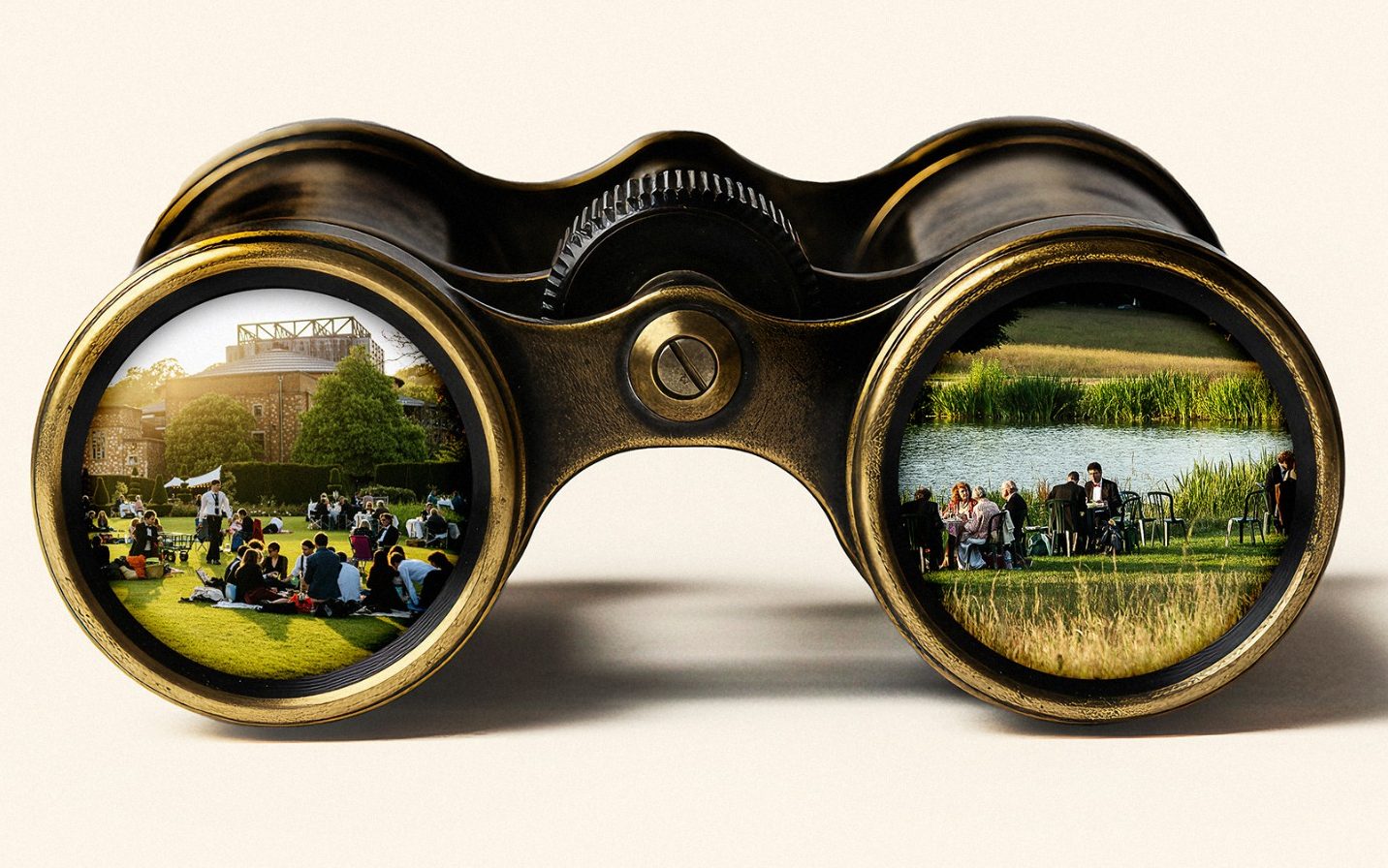
Get your opera glasses ready – the season is upon us
The country house opera season is an integral part of British summertime culture and – in contrast to those Arcadian days when Glyndebourne alone offered the attractions of high notes and high society in a rural setting – there are now a host of festivals from which to pick.
Uncertain which to go for this year? Not sure whether you’ll like the opera when you get there? Here’s your essential guide to getting the best out of the season – including our critics’ pointers on the strongest productions of 2026 – curated by experts who’ve been packing their picnic blankets and weeping to Puccini since infancy, or close to.
Dos and don’ts (including what to wear)
Glyndebourne
Garsington
Grange Park
All the rest
The overview
Performances at most country house opera festivals offer the same format: the opera begins in the mid-afternoon, there’s an interval of 90 minutes in which you can have a leisurely supper, on a picnic blanket should you so choose, and then the whole thing is over by 10pm at the latest, allowing decent time for most to get home (earlier on Sunday).
The opera itself rarely takes place in an actual country house – that’s usually just nearby – and neither does the performance happen in the open air. Most festivals boast purpose-built opera houses, and operas are sung in the original language, with English surtitles.
Dos and don’ts: the rules no one tells youDo -
Wear what you want – so long as it’s warmIt’s a myth you have to wear black tie these days. But it’s nicer to dress up, isn’t it? And people do. The vital thing, however, is that you bring layers, the golden sun you may have been strutting your stuff in at 3pm will be gone by the time of the dinner interval, probably after 6pm.
Prepare for rainMost of the festivals provide covered areas to eat in (some at a price) but we’re all in favour of a big umbrella and a waterproof picnic blanket.
Book the restaurantThis is a must if you’re terrible at picnics or really can’t stand the cold. All the grander festivals have them. They’re not cheap but they’re usually pretty good. Last-minute availability is a rarity so book a table when you buy your tickets.
Mug up beforehandOpera benefits from knowing the story, particularly if it is Wagner. Also, you won’t get a chance during the long interval because you’ll be drinking too much champagne, or admiring the sheep.
Arrive early If you’re picnicking you want to nab a good spot.
Bring your own boozeThe bars are extortionate.
Bring your glasses!So you can read the surtitles.
Don’t -
Be scared of the unknownOften the more obscure operas attract the most brilliant interpretations. Book with courage.
Wear stilettosYou’ll leave them behind in the mud beautifully manicured lawn.
Leave your programme behindThe country house festivals do a single programme for their whole season – so you might well need it again – and include some very classy articles. Glyndebourne programmes are collectors’ items in their own right.
Dither at the endCar parks are usually in fields and exits and entrances aren’t their strong points. Leave snappily after the last curtain call. And the Glyndebourne bus can leave quite promptly too, you’re pretty stuck if you miss it.
The top six festivalsGlyndebourne, East Sussex
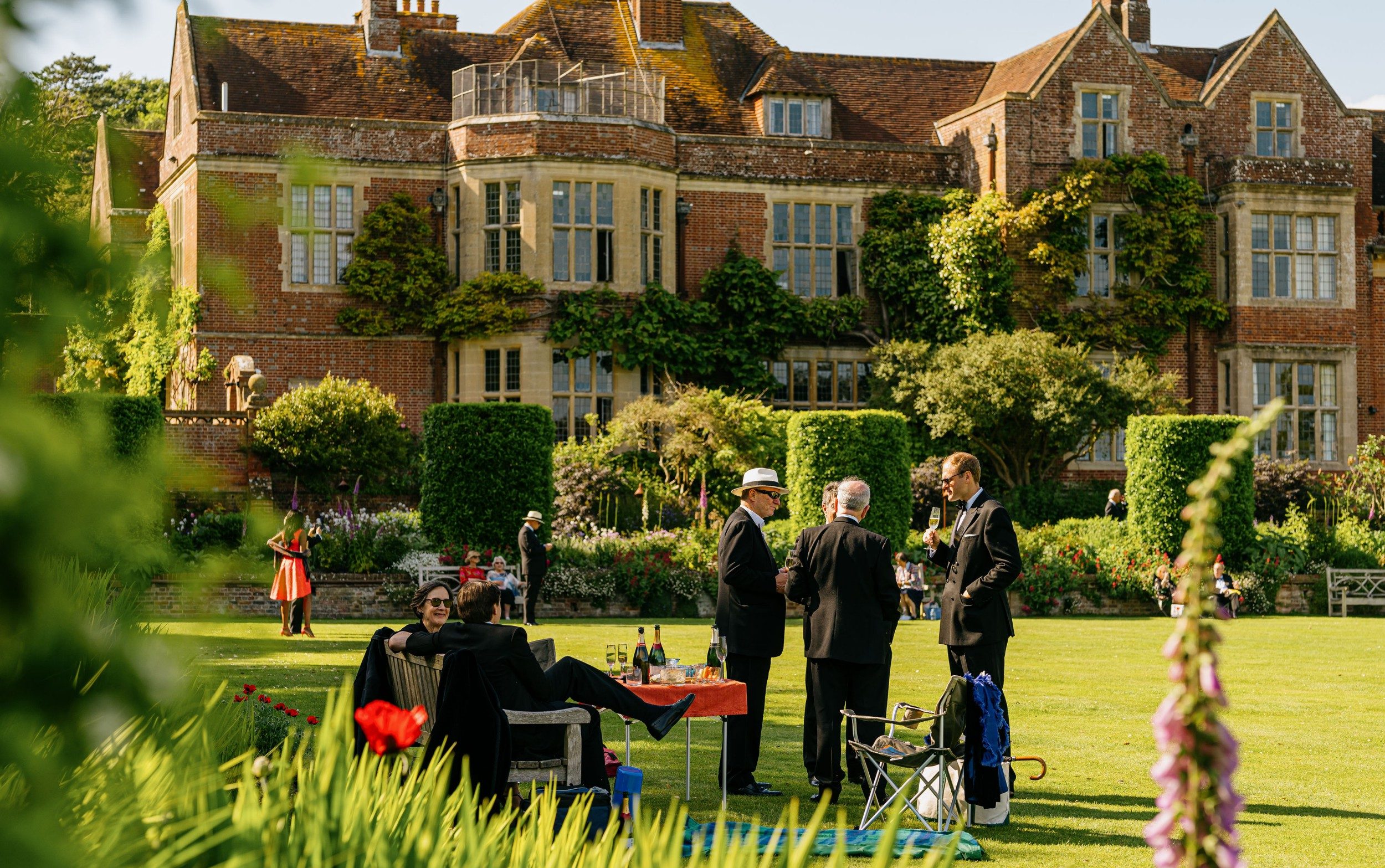
Glyndebourne: the mothership of country house opera festivals - Graham CarlowIn a nutshell: The one that started it all
The mother of country house opera festivals. Founded in 1934 by Sussex landowner John Christie to please his opera-singer wife, Glyndebourne invented the 90-minute dinner interval. It remains the gold standard musically. The original artistic trio behind its first productions, German émigrés all three, reinvented how opera was done in Britain with the inspired idea that singers act as well as sing. Productions continue to be exquisite affairs, benefiting from a luxurious seven-week rehearsal period. Since the opening of a large new auditorium in 1994 – with probably the best acoustics in the land – the festival no longer sells out.
What to book this yearTosca (May 21-Aug 30)
Glyndebourne’s first ever production of Tosca has arrived in the wake of two high-profile productions of Puccini’s gorgeous heartbreaker (with Natalya Romaniw at Welsh National Opera and, controversially, Anna Netrebko at Covent Garden). Romaniw returns to the role halfway through its run here, with the superb American Caitlin Gotimer opening in the first part.
Ariadne auf Naxos (July 19-Aug 29)
This is a new production by Laurent Pelly, who created the Festival’s divinely ingenious Ravel double bill in 2012. The cast for this glorious Strauss opera, which splices Greek myth with farce, includes the brilliant American mezzo Samantha Hankey, who won Glyndebourne’s singing competition The Glyndebourne Opera Cup.
If you only go and see one thingBilly Budd (June 28-July 30)
Allan Clayton, perhaps the greatest British tenor of his generation, stars in this much longed-for revival of Michael Grandage’s production, not seen in more than a decade. If you thought Britten wasn’t for you, prepare to be bowled over by what the Telegraph called “a stupendous achievement”.
Easy to get to?
Not really. Trains go to Lewes, East Sussex, but then you have to take a coach, which the festival organisers lay on and you have to pay £10 for a return ticket. Taxis are almost impossible to come by unless you book ahead. You’re safest driving.
What does it cost?
It is worth noting that different productions and performances are priced slightly differently. As a general rule, weekends are more expensive. This year, prices range from £30 for a standing ticket to £315 for a seat in the foyer circle. As mentioned, the acoustics are particularly good so you’ll do fine in the gods if you’re on a budget. Tickets: glyndebourne.com
Insider tip
Keep your eye on Box 6, stage left. It is owner, and grandson of the founder, Gus Christie’s box and he and his wife, the talented soprano Danielle de Niese, may well make an appearance with celebrity guests. Insider tip #2: if rain looks certain, the terraces of the opera house itself are covered so bag yourself a pew there for your picnic (it’s free).
Garsington Opera, Buckinghamshire
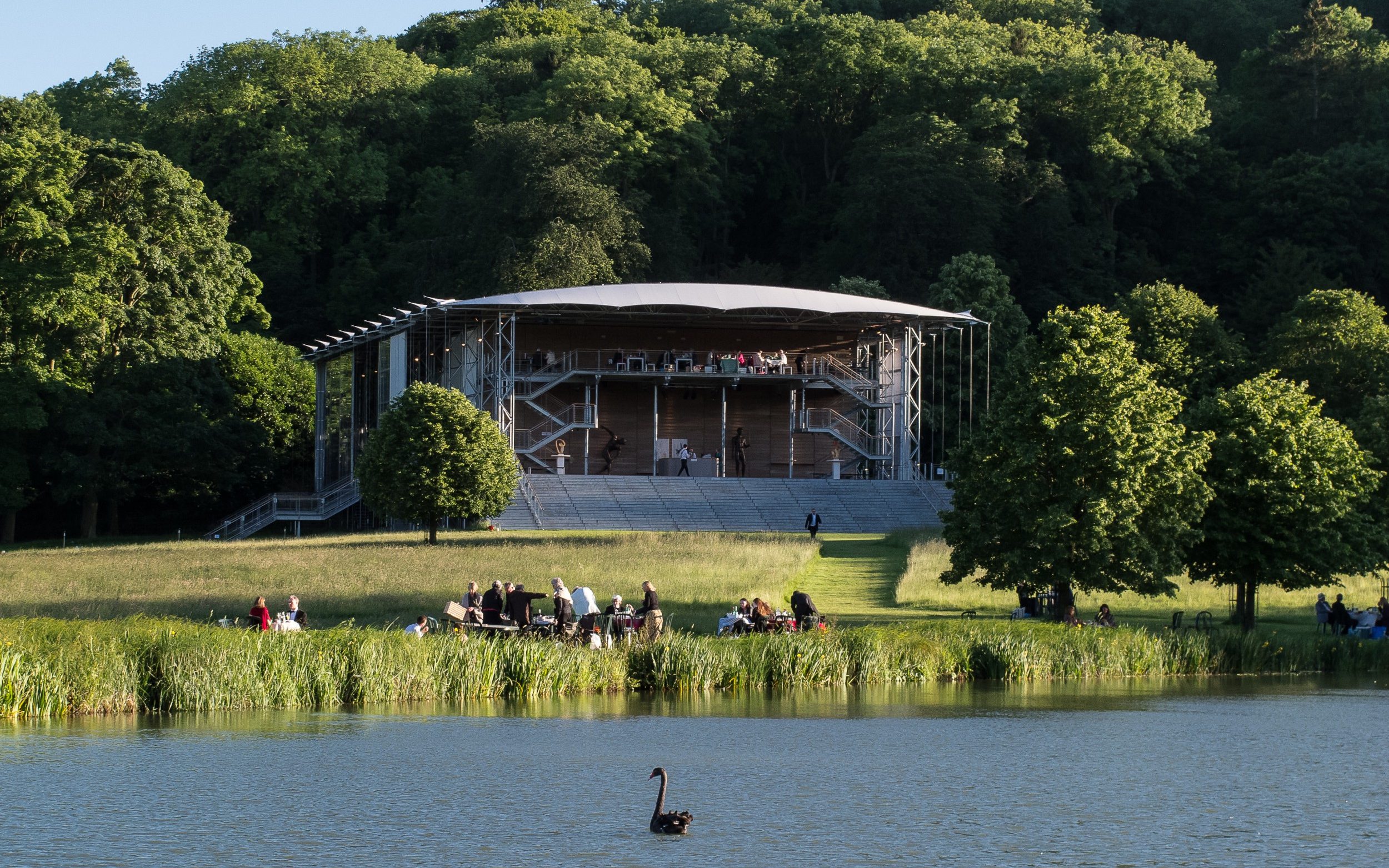
The 600-seat pavilion at Garsington Opera - Clive BardaIn a nutshell: The cool choice
Founded in 1989 by the impresario Leonard Ingrams, this has a wow factor that’s quite different from Glyndebourne’s. A lot of that has to do with the sleekness of its 600-seat pavilion, designed by Robin Snell and Partners, which is possibly the only glass opera house in the world. Beware, though. Making your way to one of the dining tents in severe wet weather can sometimes feel akin to slogging through the trenches of the Somme.
What to book this yearLa traviata (May 27-July 24)
Our favourite operatic partnership of last year was that of Madison Leonard and Oleksiy Palchycov in Christopher Luscombe’s gloriously OTT L’elisir d’amore at Garsington. Now they are back, enticingly, playing Violetta and Alfredo in this most lyrical of tragedies.
This production has now ended.
If you only go and see one thingIl ritorno d’Ulisse (June 12-July 25)
Nobody could say Garsington’s finger isn’t on the pulse. A month before Christopher Nolan’s much-anticipated The Odyssey hits cinemas, they are staging Monteverdi’s gorgeously expressive work. The fact that this is the latest from director John Caird makes this one of the season’s most in-demand tickets.
This production has now ended.
Easy to get to?
Garsington is set in the beautiful Wormley Estate on the Oxfordshire/Buckinghamshire border, and thus very easy to access by car. Public transport is more of a challenge, although station transfers from High Wycombe are available for £12 each way. You can also take the Oxford Tube and alight at Lewknor, but you will then need to book a taxi.
What does it cost?
Ticket prices range from £185-305, and this includes a non-obligatory donation of £80 (to help fund the productions and Garsington’s outreach programme). There are also two membership schemes to encourage younger audiences. There is Opus 40 (which, for a £40 membership fee, allows you up to two £60 tickets on selected nights throughout the season), and Rush 35 which offers free membership for those aged 35 and under, and access to last-minute £40 tickets on a first-come, first-served basis. Tickets: garsingtonopera.org
Insider tip
If you are coming with a big party (up to 12 people), it makes sense to try to book The Granary, a charming dinner spot nestled deep in the opera garden.
Grange Park Opera, Surrey
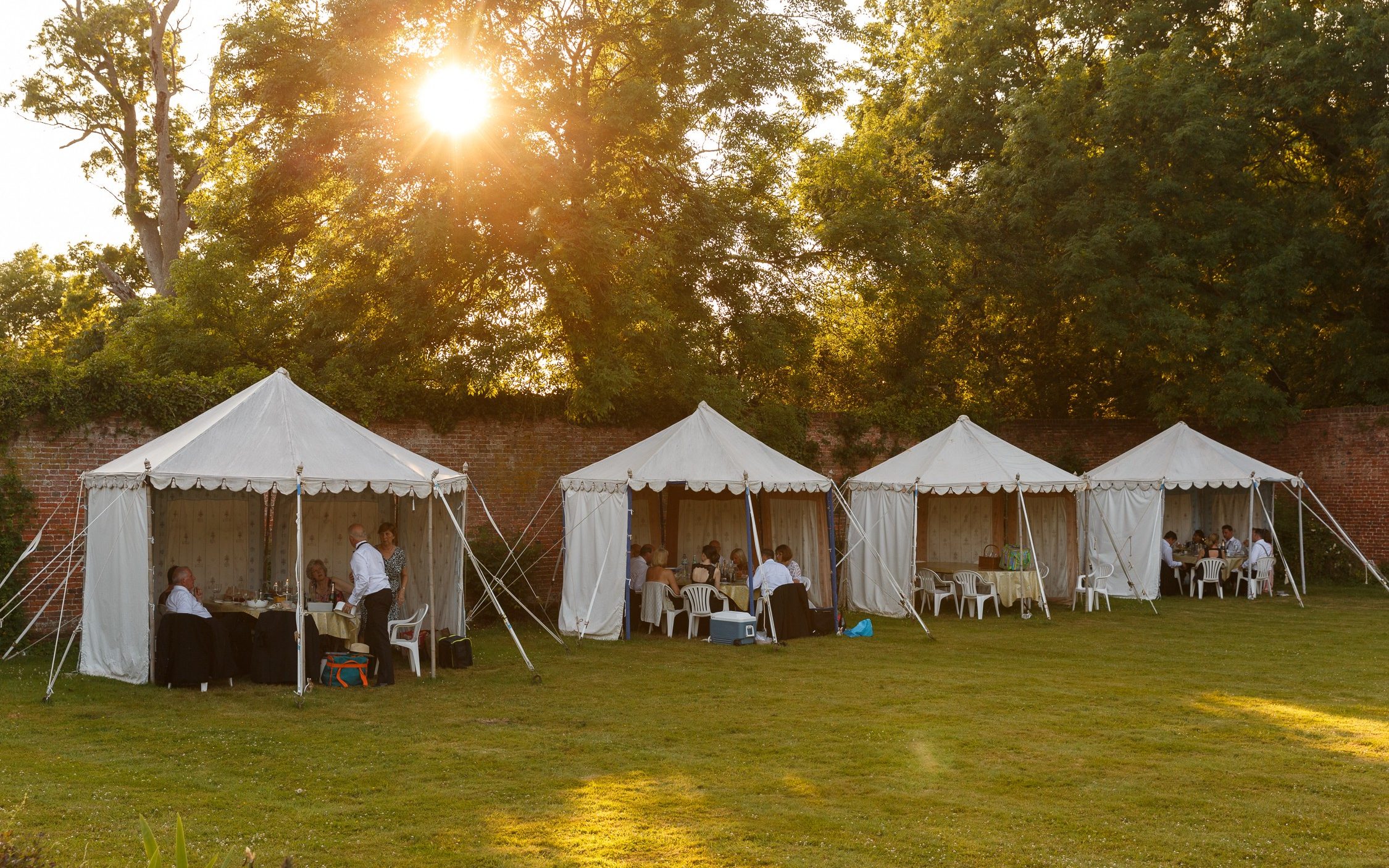
The delightful garden at West Horsley Place - Richard LewisohnIn a nutshell: The place to enjoy opera in a magical setting
Grange Park Opera was inaugurated and is run by the force of nature that is Wasfi Kani. Kani is an arts impresario and conductor who has been bringing opera into prisons for more than 35 years. When she learnt that friend and TV presenter Bamber Gascoigne, most celebrated for his stewardship of University Challenge, had inherited the picturesque, dilapidated mansion of West Horsley Place from an aged aunt she persuaded him to loan it to her so that she could realise her dream of running an opera festival.
In this she has succeeded magnificently, building a very serviceable auditorium in its delightful garden and luring some of the world’s most successful stars to sing there. Welsh bass-baritone Bryn Terfel is a particular favourite.
This season has now ended.
Easy to get to?
Yes, it is off the A246 between Leatherhead and Guildford and close to London. Horsley station is only a mile away.
What does it cost?
Prices range from £90 to £300, but it is worth checking out the different membership tiers (charmingly named after Hippocrates, Plato, et al), and there is a scheme for the under 35s which means young opera lovers could get a ticket for as little as £45. Tickets: grangeparkopera.co.uk
Insider tip
Marvel at the enjoyably wonky and ancient crinkle-crankle wall that borders the west side of the garden. The serpentine shape was developed in the 17th century to dodge the brick tax, since if a wall is built in a wave it only needs to be one rather than two bricks deep.
Advertisement
Longborough Festival, Oxfordshire
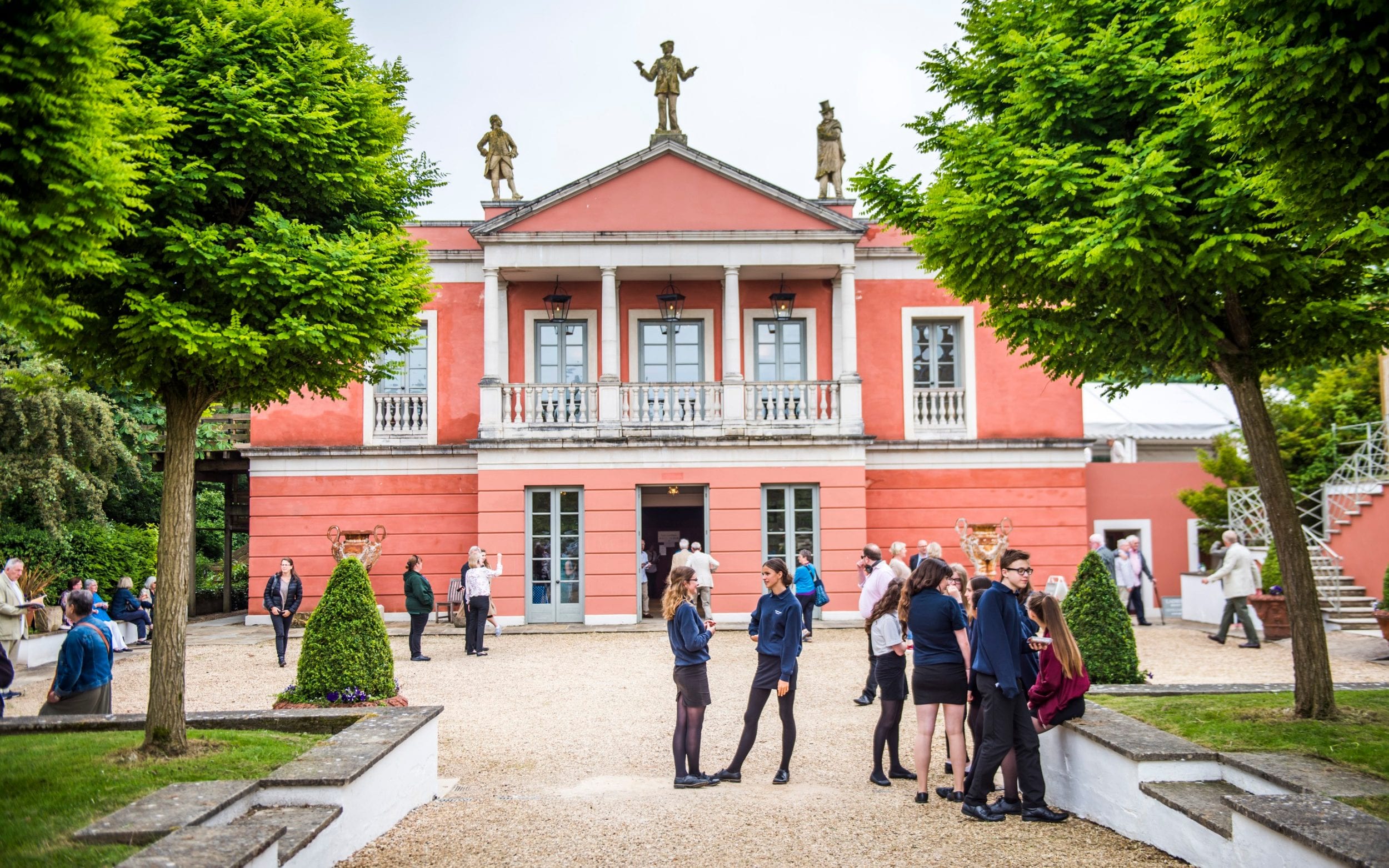
Longborough Festival is nestled in the rolling north CotswoldsIn a nutshell: The choice for Wagner lovers
Nestled in the rolling northern Cotswolds, Longborough still benefits from the influence of its quirky and charismatic founder Martin Graham, who died last year. Kitsch-as-you-like statues adorn the salmon-pink main building; an indication of the festival’s un-stuffiness.
But if Longborough’s atmosphere exudes a whiff of camp, it is deeply serious in its musical intent and its season is almost always made up of entirely new productions. Since its founding in 1991, it has become famed for its productions of Wagner (although Grange Park Opera is giving them a run for their money this year), always under the aegis of the great Anthony Negus, one of the best conductors in the business.
What to book this yearHansel and Gretel (July 30-August 8)
If you are looking for a family outing, then this is probably the opera of the season. It’s Humperdinck’s magical retelling of the Grimms’ unspeakably dark tale (so perhaps not suitable for the youngest of opera fans). But it is beautiful, and it’s a lovely opportunity to see the Longborough Youth Chorus in action.
If you only go and see one thingTristan und Isolde (June 20-July 18)
A revival of this smart production which confirms that no one can match Negus for musical intelligence, be that the pacing or the meticulous attention to detail. Again he conducts, with Carmen Jakobi directing a production which the Telegraph has previously described as a “splendid achievement”.
This production has now ended.
Easy to get to?
Not really, but that is part of the appeal. The website rather charmingly recommends a 60-90 minute walk through fields from Moreton-In-Marsh station! Otherwise, there is a shuttle service from Moreton, or you can check the website for taxi services.
What does it cost?
For £45 you can get a ticket with a restricted view, with prices rising to £230 for the best seats in the house. There is a membership scheme for those aged between 18-35, but tickets (for as little as £25) are limited to 16 per production, so you need to be quick. Tickets: lfo.org.uk
Insider tip
If you are a lone traveller, you are welcome to join the Longborough table for dinner and for conversation with like-minded opera lovers.
The Grange Festival
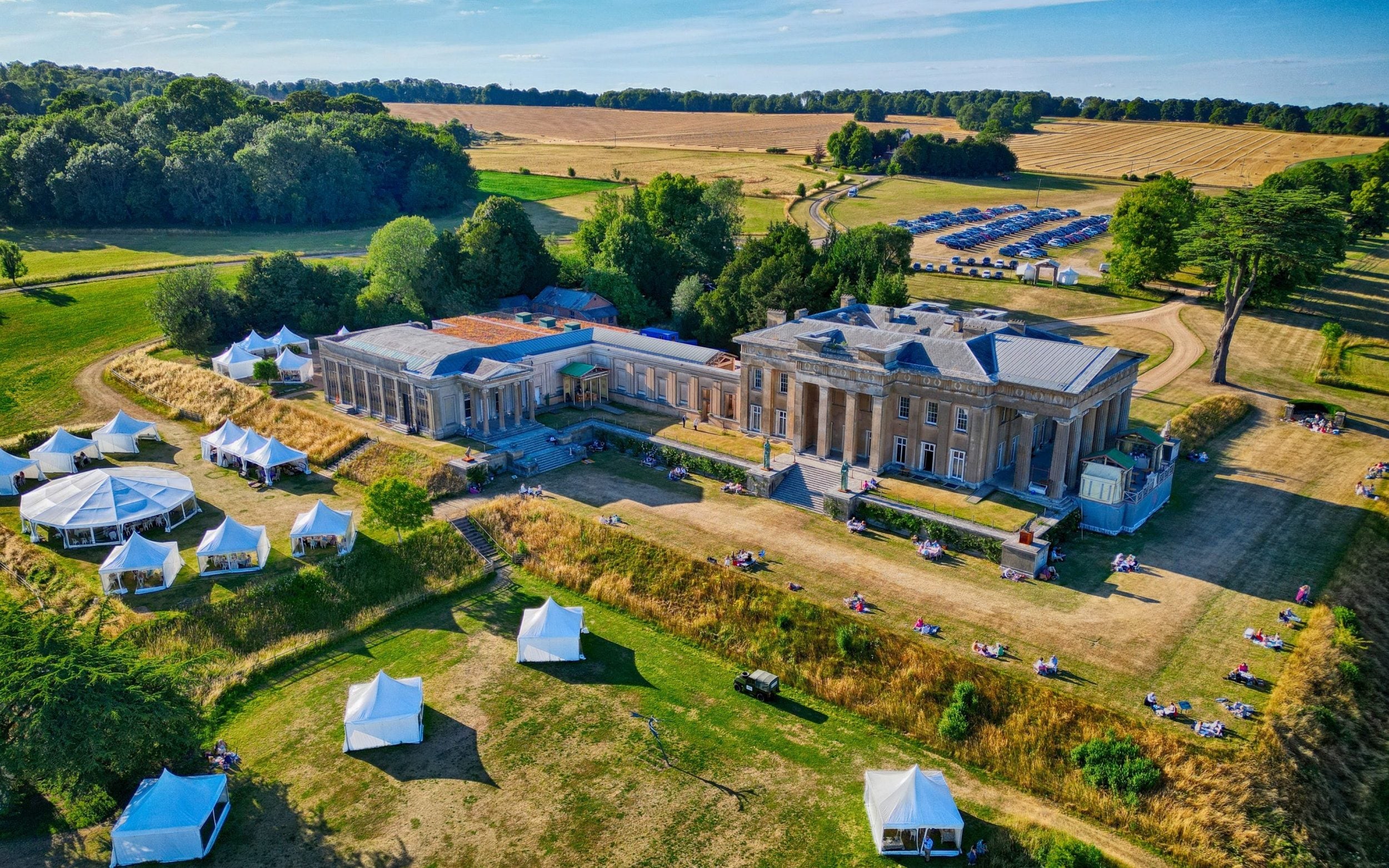
The 19th-century Grange mansion in HampshireIn a nutshell: The choice that won’t blow the budget
The Grange was formed in 2016, and while primarily an opera festival, provides other forms of entertainment, too. On that side of things, it is a particularly strong year with both the mighty Ballet Black and the fabulous John Wilson (conducting Sinatra) putting in appearances. Meanwhile, the 19th-century mansion – owned by the Baring family – is a classical delight, set in the most tranquil of broad acres. Also of note: its resident players are the peerless Bournemouth Symphony Orchestra.
This season has now ended.
Easy to get to?
Another opera festival that is miles from a train station (Winchester, the nearest, is 20 minutes away by taxi). There is also a coach service from Winchester.
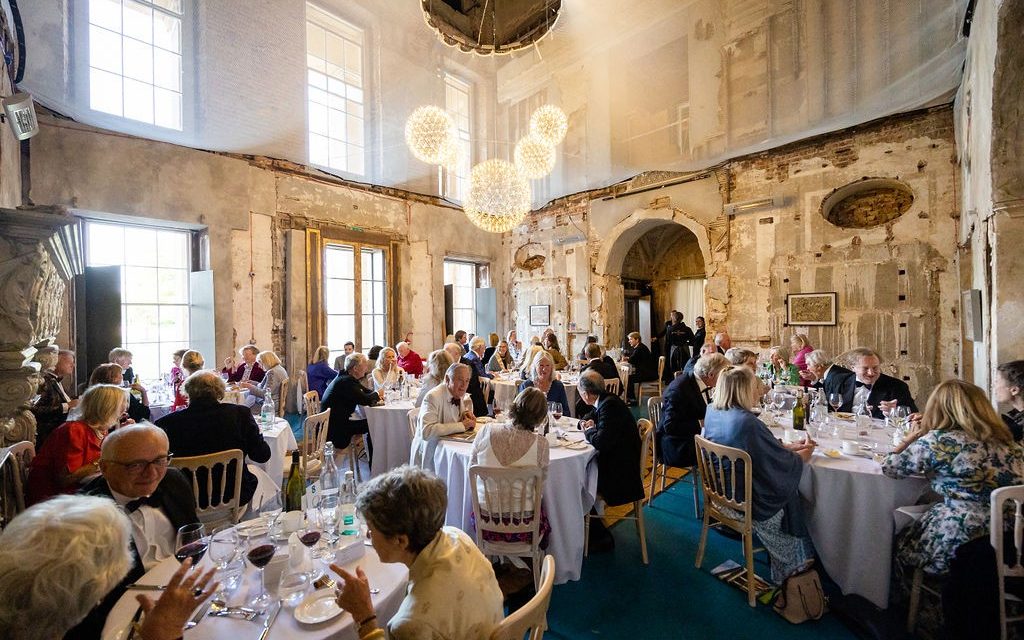
The Grange is crumbling – but it is one of the finest examples of Greek revivalist architecture in the country - James MusselwhiteWhat does it cost?
The Grange has always offered value for money, and you can book a seat with a restricted view for as little as £24. Top dollar is £225 for a prime spot at La boheme. For £5, you can get a ticket to one of the Grange’s operas on selected performances if you are 36 or under. Tickets: thegrangefestival.co.uk
Insider tip
Make sure you make the time to snoop around the house. It is crumbling – it is a protected monument like Stonehenge – but one of the finest examples of Greek revivalist architecture in the country.
Buxton International Festival
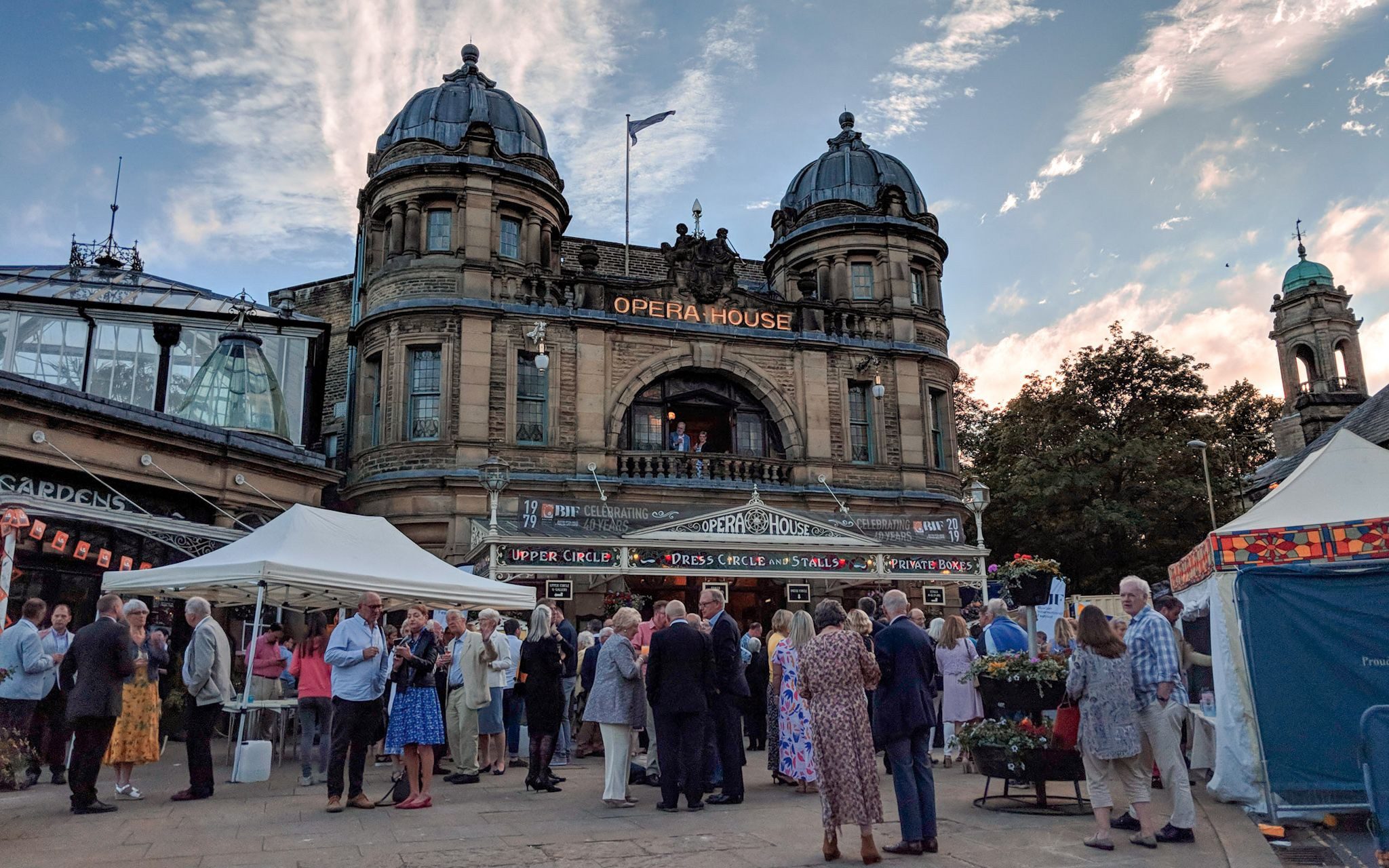
Buxton International Festival encompasses other art forms but opera is a crucial cogIn a nutshell: Something a little bit different
This is a bit of a cheat. Buxton is not a country house festival, and for many years it has encompassed other art forms (it was originally a drama festival, founded in 1937 by the formidable Lilian Baylis). But opera is a crucial cog, and often the programme is unlike any other festival.
While it makes concessions this year to the populist (La traviata, The Merry Widow), it also has its fair share of productions which will have you reaching for Wikipedia. Productions take place in either the beautiful 1903 Opera House or the Pavilion Arts Centre, and if you want a break from all the culture, the Peak District is on your doorstep.
What to book this year
This season has now ended.
Le Dernier Sorcier (July 13-26)
Female composers have often been written out of history and this is certainly the case with Pauline Viardot. Her 1867 work (with a French libretto by none other than Turgenev) is practically unheard of, so well done to Buxton Festival for giving it an airing.
La liberazione di Ruggiero (July 15-21)
Another lost work by a female composer, this work by Renaissance composer Francesca Caccini is a four-act comedy which is sure to raise the spirits. More dispiriting is the fact that once she stopped serving her patrons, the Medicis, Caccini vanished from history.
If you only go and see one thingThe Merry Widow (July 10-24)
This take on Lehar’s gorgeous pink fondant fancy of an operetta has already received critical acclaim, and is a collaboration between Scottish Opera, D’Oyly Carte Opera and Opera Holland Park (who you will hear more about later). If ever you needed a midsummer pick-me-up, this would be quite the show to do it.
Easy to get to?
At last, yes! A festival with a station close by. Whoever would have thought it? Watch out for pesky engineering works at weekends, though. Conversely, coming by car is more of a problem – parking spaces within the town fill up very quickly.
What does it cost?
Very affordable. If you are going to a performance at the Pavilion Hall, the price is fixed at £56. Yet even a top-priced ticket in the main opera house is shy of three figures. It is also worth looking at becoming a BIF friend where you can become a member for just £36. Again, under 35s have their own scheme with prices starting at £5. Tickets: buxtonfestival.co.uk
Insider tip
Buxton is a fascinating town and it is worth arriving a day early to explore. The must-see is the Devonshire Dome, once the largest unsupported dome in the world (wider than both the Pantheon and St Peter’s Basilica in Rome).
Also worth a visit:Nevill Holt Festival
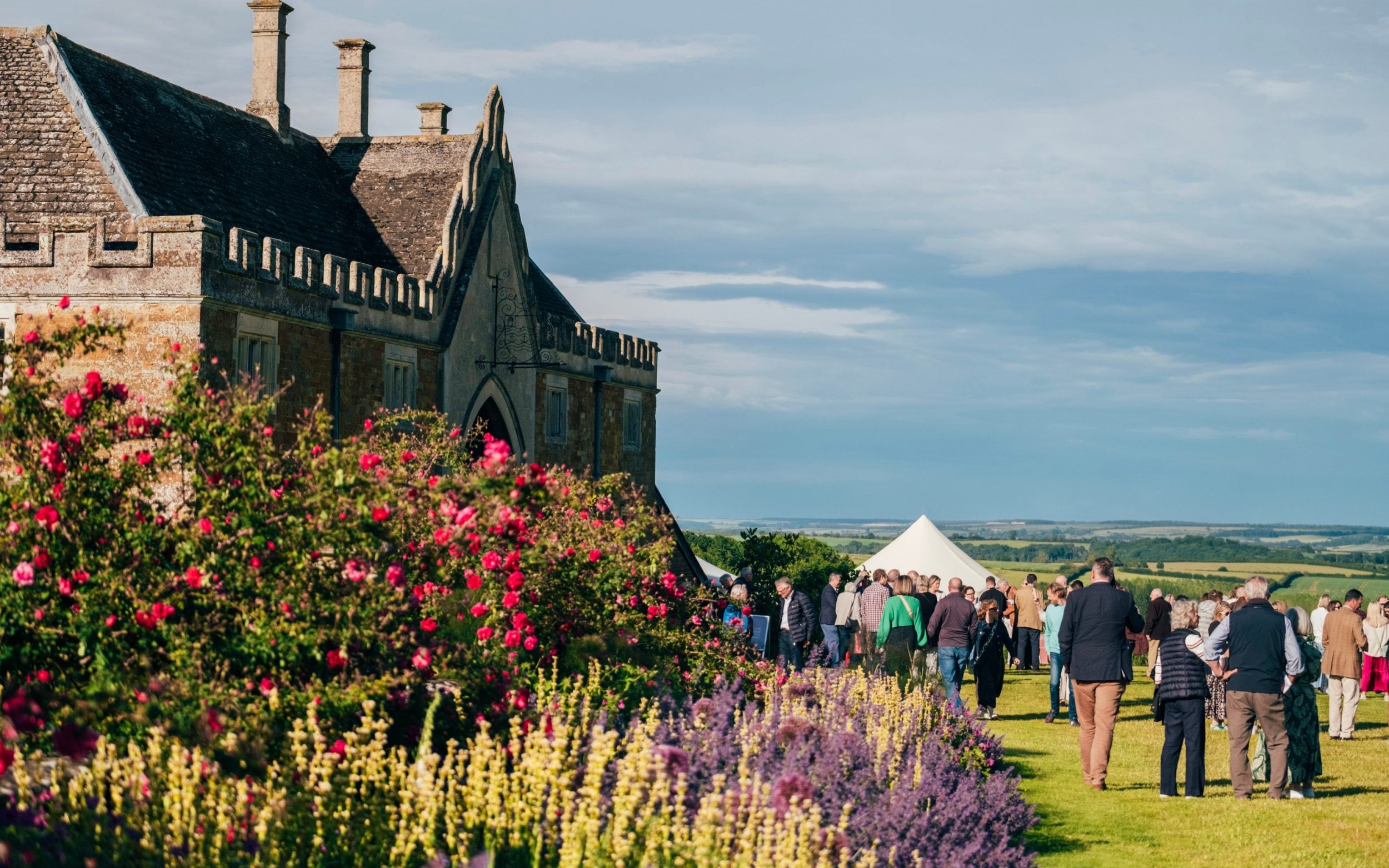
Nevill Holt Festival is in the Leicestershire countryside - Jono Renton
Launched by the irrepressible David Ross (he of Carphone Warehouse fame), this festival is important because it is located in the Leicestershire countryside, a long way from any other opera hotspots. While the festival has become about other art forms recently, it still stages one opera a year. This time it’s Donizetti’s Don Pasquale.Tickets: nevillholtfestival.com
Dorset Opera Festival
Bryanston School near Blandford Forum, Dorset was an early advocate of progressive arts education, so it is fitting that it is the centre for this short-run festival. More details of this year’s festival to follow. Tickets: dorsetopera.com
Waterperry Opera Festival
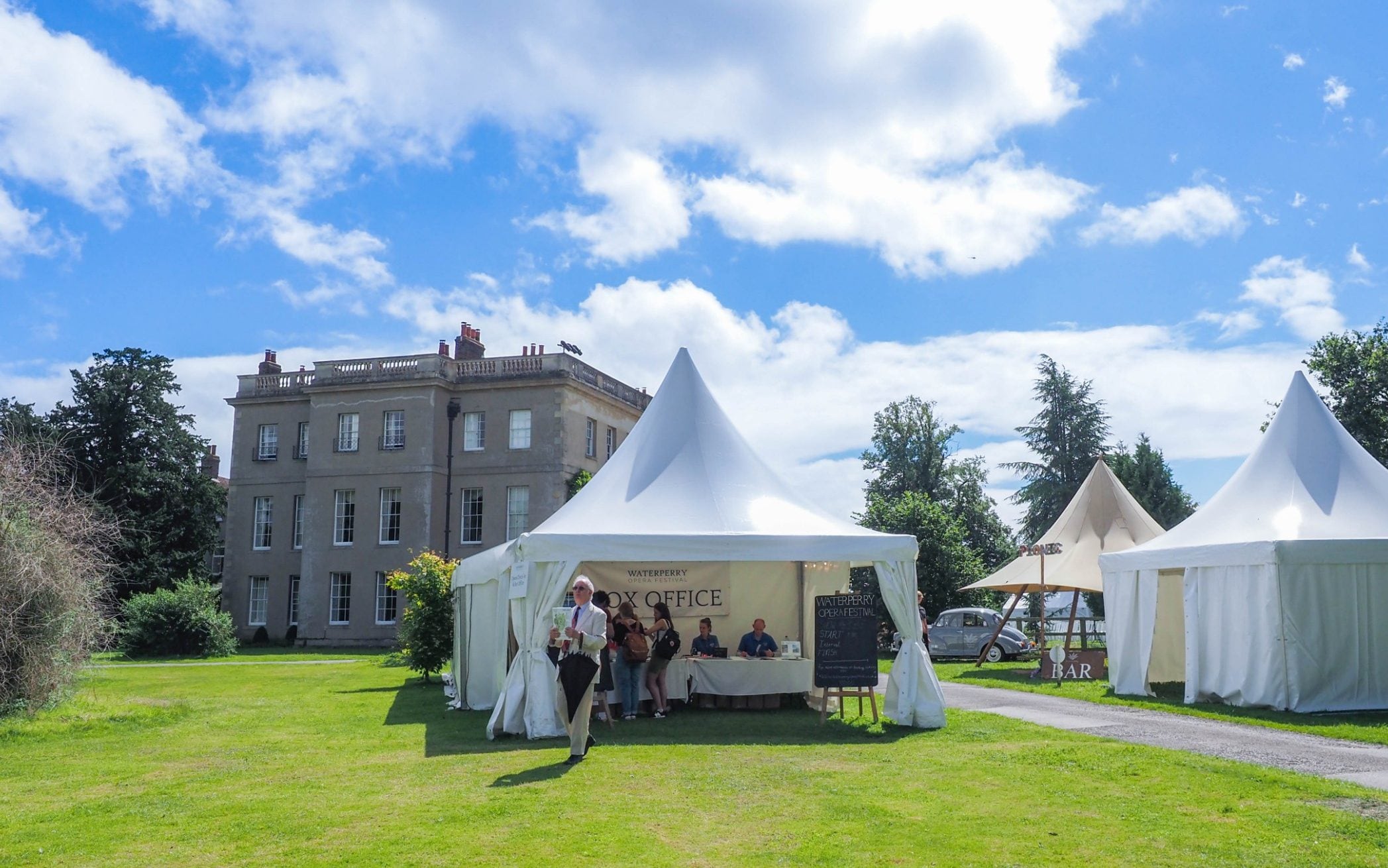
Waterperry Opera Festival focuses on emerging operatic talent - Sisi Burn
More Glastonbury than Glyndebourne is the mantra for this festival, which focuses on emerging operatic talent. The draw here is the enchanting gardens (it is based on the Waterperry estate, about eight miles north of Oxford), and the programme includes opera (La boheme), as well as concerts (Bach’s Mass in B Minor).Tickets: waterperryoperafestival.co.uk
Opera Holland Park
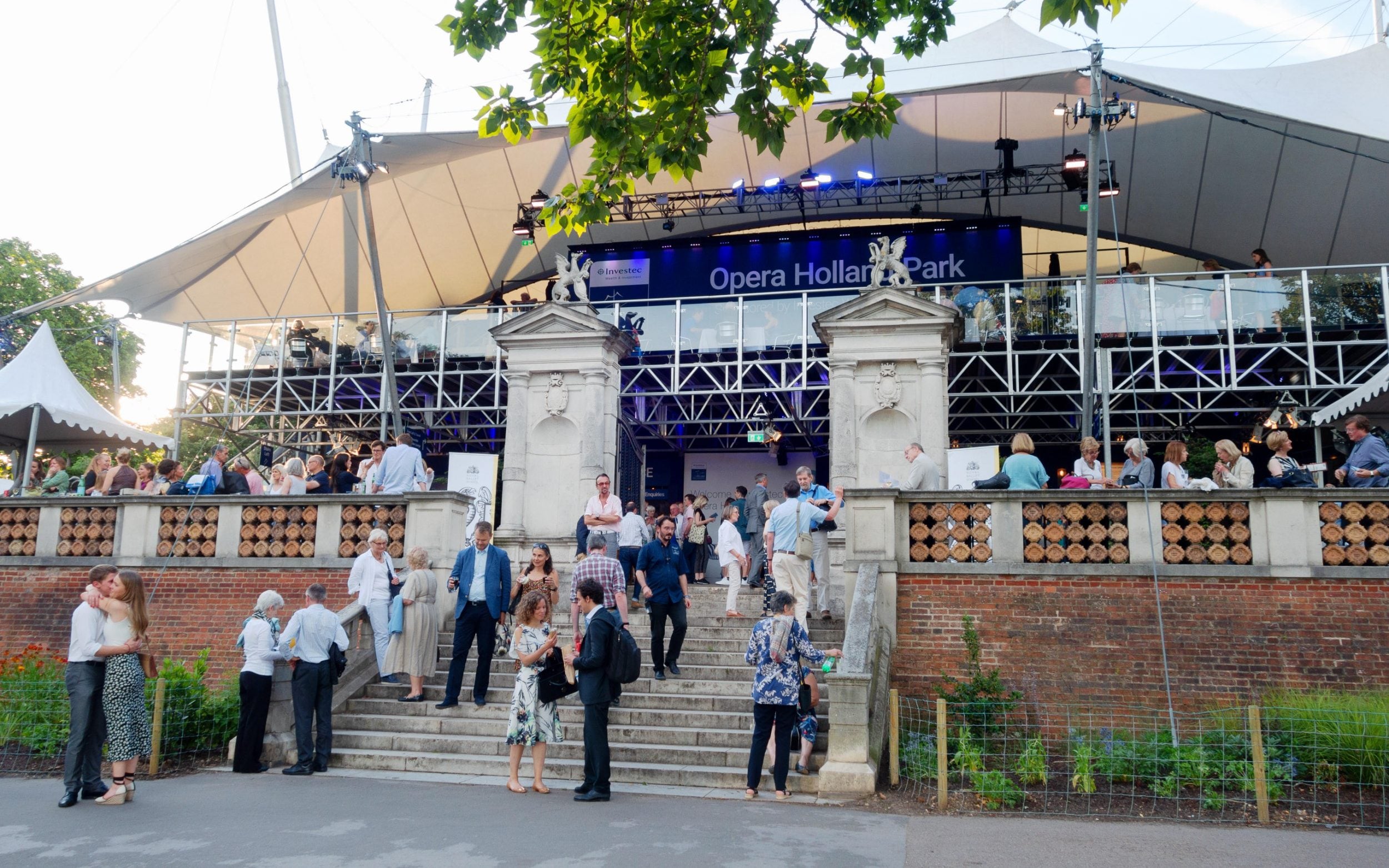
Opera Holland Park is a special night out - Kumar Sriskandan / Alamy Stock Photo
Set in the distinctly unrural environs of west London, Opera Holland Park does, nevertheless, evoke a sense of bucolic calm. It’s not a country house affair; there is no dinner interval, but it nevertheless feels very special – an evening for which it’s worth dusting down the dinner jacket. As ever, it’s an eclectic programme, with the trad delights of Die Fledermaus to Will Todd’s shapeshifting Alice’s Adventures in Wonderland.Tickets: operahollandpark.com
Source: “AOL Entertainment”
