


Why this former contender for Fed chair Kevin Warsh's job thinks he has a huge problem on his hands
Why this former contender for Fed chair Kevin Warsh's job thinks he has a huge problem on his hands

Brian SozziThu, September 17, 2026 at 10:26 AM UTC
3
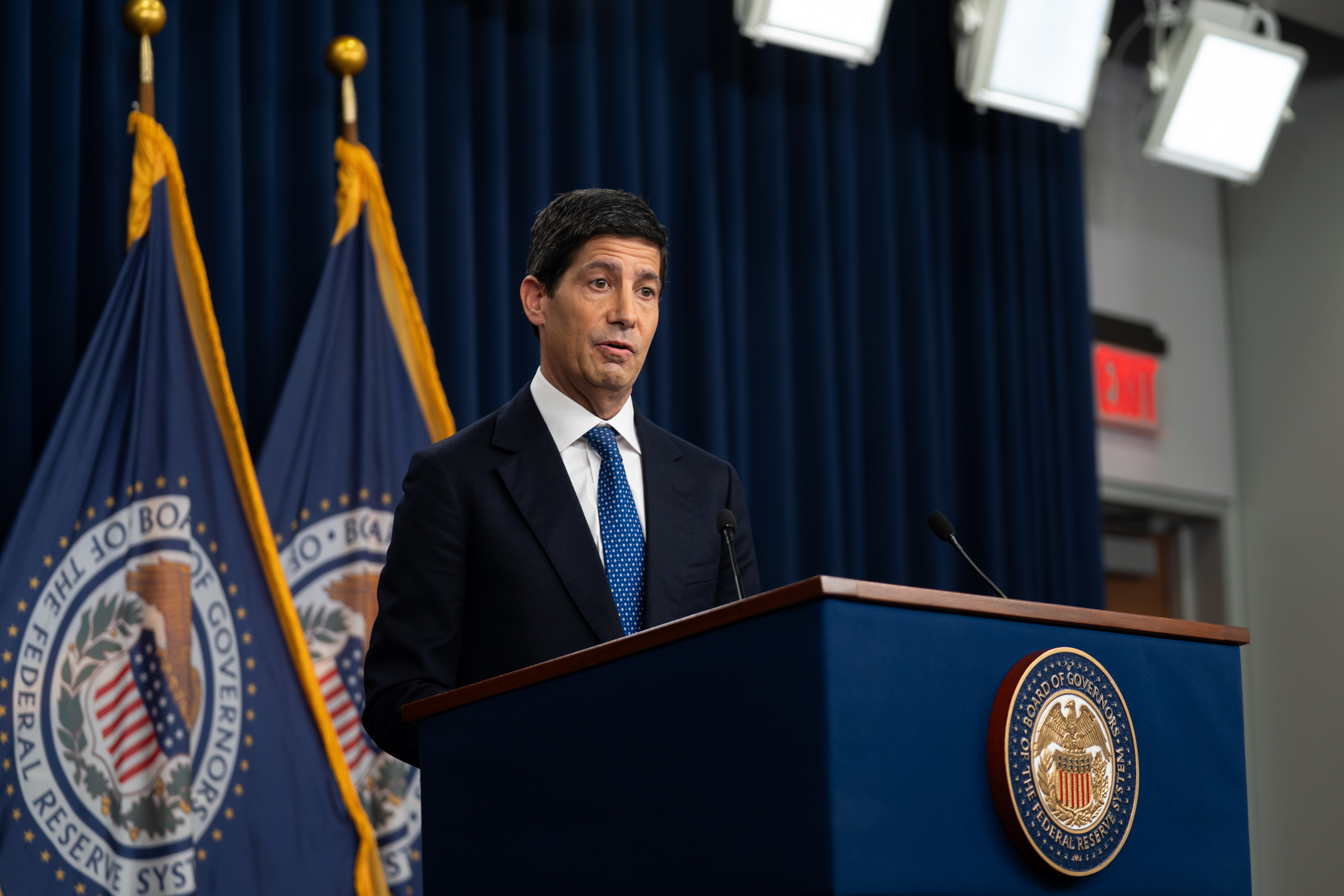
Former recent Federal Reserve chair contender Rick Rieder at BlackRock thinks the guy who ultimately got the gig — Kevin Warsh — has one big challenge on his hands,
That is, a rate hike won't necessarily bring down the cost of things for households.
"What is difficult concerning inflation today, based on the San Francisco Fed's analysis, is that the cyclical parts of inflation are generally well behaved, yet it is the cyclical parts of inflation that are difficult to contain, and tend to resist movements in interest rates. Clearly, energy, insurance, healthcare, and education are facing and passing through higher costs today. The Fed's challenge is combating that with their toolkit," Rieder said in a new note. "Yet, moving the interest rate today to a marginally more restrictive rate is the Fed's directive toward addressing the fact that inflation is too high relative to target, and inaction would not be the preferred route going forward."
The decision by the Fed to lift rates on Wednesday comes as sticky inflation readings — from the CPI to PPI — and rising energy costs force central bankers back into tightening mode. The rate hike marks the central bank's first interest rate increase since July 2023.
Investors are also focused on the economic projections and the Fed's "dot plot" to gauge future moves on rates — said dot plot didn't rule out one more hike this year.
A hawkish dot plot as was received and follow up commentary from Fed Chairman Kevin Warsh during his presser stands to further elevate borrowing costs and pressure stocks initially around the world.
The Dow Jones Industrial Average dropped 631.21 points yesterday as investors digested the rate hike news.
Advertisement
"I don't actually think a Fed hike is going to necessarily solve the problem. While the market can certainly absorb 25 basis points or, you know, the 50 basis points that it's pricing in for this year, I don't actually think that to me is putting a solution to a different problem. I think what we have here is we have high demand for money and we have a high need for energy. But the supply of it is waning. Supply of oil is waning, and you have way too much debt outstanding in in the economy. So you have these things that fuel the economy. They're kind of causing a lot of friction now. And I'm not sure a rate hike is actually going to solve that. And so I do think for investors, you have to make sure you have hedges for these kinds of things in your portfolio. And that that includes owning things that make money from higher oil prices," Robinhood Markets chief investment officer Stephanie Guild said on Yahoo Finance's Opening Bid.
The S&P 500 (^GSPC) has declined by an average of 4.0% over the six weeks following the first Fed rate hike of a cycle across seven such episodes since 1988, per analysis from strategists at The Kobeissi Letter.
Stocks recovered all of those losses over the next five to six weeks on average.
In the six months following the first interest rate hike, the S&P 500 returned 4% on average. After 12 months, the S&P 500's average gain tallied 9%. Positive returns have occurred in every episode except 2022 over the 12 months.
Brian Sozzi is Yahoo Finance's Executive Editor, host of the 'Power Players With Brian Sozzi' podcast and a member of Yahoo Finance's editorial leadership team. Follow Sozzi on X @BrianSozzi, Instagram, and LinkedIn. Tips on stories? Email brian.sozzi@yahoofinance.com.
Click here for in-depth analysis of the latest stock market news and events moving stock prices
Read the latest financial and business news from Yahoo Finance
Source: “AOL Money”
