


Your Smart TV Knows More About Your Viewing Habits Than You Might Realize
Your Smart TV Knows More About Your Viewing Habits Than You Might Realize

Brandon MarcusSat, November 14, 2026 at 2:40 PM UTC
0
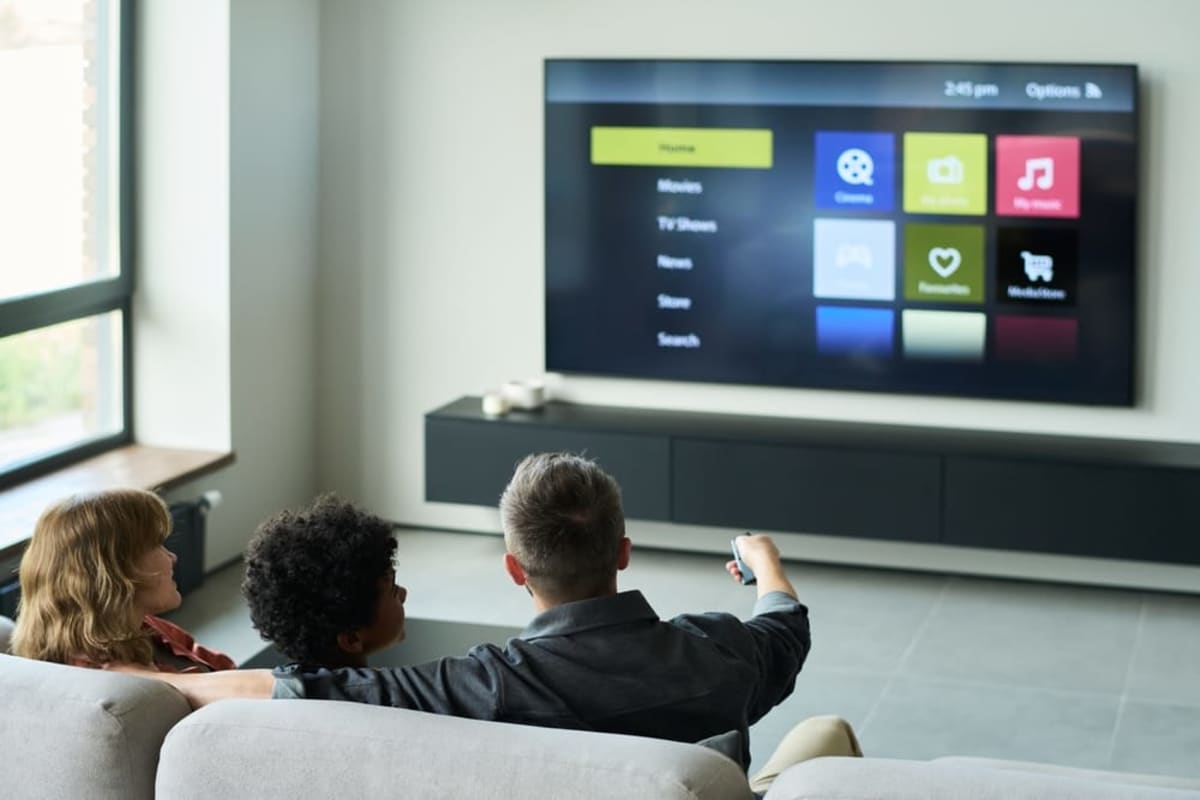
Smart TVs can use Automatic Content Recognition to identify programs playing through built-in apps, cable boxes, and connected devices. Reviewing privacy settings can help consumers limit viewing-data collection and personalized advertising – Shutterstock
Your television doesn’t need a nosy neighbor to know you watched three episodes of a crime documentary before switching to cooking videos. It may already have the information. Many smart TVs use technology that identifies what’s playing on the screen, then collects viewing information that companies can use for advertising, audience measurement, and recommendations.
Your streaming subscriptions aren’t necessarily the whole story. Depending on the television and its settings, the manufacturer may also recognize content from a cable box, game console, DVD player, or antenna. That expensive screen in the living room has another job beyond displaying your favorite shows. It can also help build a surprisingly detailed picture of your entertainment habits.
And you probably didn’t buy it for that.
Your Television Has a Talent for Recognizing What You Watch
The technology behind much of this activity goes by the rather unexciting name Automatic Content Recognition, or ACR. The process sounds more complicated than it is. Your television analyzes portions of the audio or video playing on the screen and creates digital fingerprints that help identify the content.
It can then match those fingerprints against a database of known programs, movies, commercials, and other material. Depending on the manufacturer and its system, the resulting information may include what you watched and how long you watched it. Samsung, for example, says its optional ACR feature can collect program viewing history, viewing duration, device identifiers, and IP addresses.
Here’s the detail that catches many owners off guard: ACR doesn’t necessarily care which device supplies the picture. Your television might recognize a football game through a cable box just as readily as a show playing through a built-in streaming app. A gaming console or another HDMI-connected device may also fall within its reach.
Keep a tire inflator in your car
Top up your tires at home or on the road with the OlarHike portable tire inflator. Rechargeable and 12V power options give you two ways to use it. Check Price on Amazon.
CleverDude may earn a commission if you buy through this link.
That means switching from one streaming service to another doesn’t automatically change what your television can recognize. The screen itself may remain the common observer.
The Business Behind Your Favorite Shows
Why would a television manufacturer care whether someone watches cooking competitions or late-night reruns? Because viewing habits have commercial value.
Advertisers want to reach particular audiences. Knowing which programs attract viewers can help companies measure audiences, develop advertising strategies, and decide which commercials might interest particular households. Manufacturers can also use viewing information to support personalized recommendations and advertising on their platforms.
This arrangement helps explain why television companies continue earning money after customers leave the store. A television sale brings in revenue once. Advertising, streaming partnerships, and connected services can generate revenue for years. A relatively inexpensive television may therefore come with a business model that extends well beyond the purchase price.
That doesn’t automatically make the arrangement sinister. Advertising helps support free services, and personalized recommendations can make browsing less tedious. But there’s a difference between choosing to receive relevant suggestions and unknowingly allowing a device to collect information about everything displayed on its screen.
The Federal Trade Commission confronted that in a 2017 case involving Vizio. The agency alleged that the company collected viewing histories from 11 million televisions without consumers’ knowledge or consent. The information could include second-by-second viewing activity, even from external devices. Vizio agreed to pay $2.2 million to settle the charges.
The case wasn’t about a television secretly developing opinions about someone’s taste in reality television. It highlighted a much more practical problem: consumers didn’t clearly understand what information their televisions collected or how companies used it.
Your Viewing History Can Reveal More Than Your Favorite Genre
A list of television programs might seem harmless. After all, enjoying detective shows doesn’t exactly qualify as a state secret. However, viewing patterns can reveal interests that advertisers find useful. Someone who regularly watches home renovation programs might receive advertisements related to furniture, appliances, or home improvement. A household that watches sports frequently could fall into an audience category that interests sports-related advertisers.
Advertisement
Companies don’t necessarily need your name to make viewing information commercially useful. Device identifiers, IP addresses, and other data can help associate activity with a particular household or device. Additional information can make those audience profiles more useful.
There’s also a household complication. One television rarely belongs to just one viewer. Parents, children, guests, and other family members may share the same screen. Your viewing history might reflect everyone’s habits, not simply the preferences of the person who bought the television. Think about the person who watches a few children’s cartoons with visiting grandchildren, then spends the evening watching home improvement shows. The television doesn’t necessarily know who held the remote. It simply sees activity associated with the device.
This is one reason viewing data deserves more thought than ordinary entertainment recommendations. A television can collect information about a household without identifying every person who sits on the couch.
Finding the Settings Is Half the Battle
Fortunately, consumers can limit at least some of this collection. Unfortunately, television manufacturers don’t seem to agree on what to call the relevant settings. One company might use “Viewing Information Services,” while another calls the feature “Live Plus,” “Viewing Data,” or “Interactive Service.”
Start with your television’s Settings menu and look under Privacy, Terms and Conditions, or General Settings. Search for references to ACR, content recognition, viewing information, and viewing history. Samsung specifically identifies its ACR control as Viewing Information Services. Roku provides a Smart TV Experience setting that controls information collected from connected devices and antenna television.
Also examine advertising preferences, app usage data, voice services, and personalized recommendations. These controls address different activities, so disabling one doesn’t automatically disable everything else. Turning off personalized advertising, for example, doesn’t necessarily stop all viewing-data collection.
Don’t assume your television’s privacy settings will look identical to instructions you find online. Manufacturers change menus across models and software updates. A little patience with the manual or manufacturer’s support website can save considerable remote-control frustration.
A recent RTINGS investigation tested televisions and streaming devices from several major manufacturers. Researchers found that disabling identifiable ACR services changed network activity on some models. However, other devices made the relevant traffic harder to distinguish from ordinary background communications. The research also found substantial differences in how companies presented privacy choices.
One particularly useful detail: turning off a feature doesn’t necessarily erase information the television already collected. Roku’s published TV guide explicitly warns that previously collected information remains after users disable its Smart TV Experience feature. Check the manufacturer’s privacy policy for information about retention and deletion options.
A Streaming Stick Isn’t a Magic Privacy Shield
Some television owners consider disconnecting their smart TVs from the internet and using an external streaming device instead. This approach can reduce the television manufacturer’s access to viewing activity across connected inputs. However, there’s a catch. A Roku, Fire TV, or other connected streaming device has its own software, accounts, privacy policies, and data practices. Moving your streaming activity to another device can simply move the data relationship to another company.
For greater separation, you can use the television as a basic display without connecting it to the internet. You may lose built-in streaming apps and certain connected features, though. That trade-off won’t appeal to everyone, especially households that rely on their televisions for nearly everything.
The sensible approach depends on how much convenience you’re willing to exchange for privacy. You don’t necessarily need to abandon streaming or turn your living room into a technology-free sanctuary.
Your Remote Control Shouldn’t Come With a Data-Sharing Surprise
Smart TVs offer plenty of useful features, and collecting some viewing information can support services people genuinely enjoy. The problem isn’t necessarily the existence of data collection. It’s how easily consumers can agree to something without recognizing what they’ve accepted.
A television should make privacy choices understandable before asking customers to accept them. Nobody should need a detective’s instincts to figure out whether a picture-enhancement feature also involves collecting viewing information.
Take a few minutes to inspect your television’s privacy menu. Review the agreements you accepted during setup, check advertising preferences, and revisit those settings after major software updates. Your television can still deliver excellent entertainment without needing an unrestricted view of your viewing habits.
Does your television offer a clear explanation of its privacy settings, or did you discover its tracking features only after digging through the menus?
CleverDude NewsletterGet your free car-repair cheat sheetSubscribe to the CleverDude newsletter and get the cheat sheet sent to your inbox.Send Me the Free Cheat Sheet
The post Your Smart TV Knows More About Your Viewing Habits Than You Might Realize appeared first on Clever Dude Personal Finance & Money.
Source: “AOL Entertainment”
